Revenue
Dynamic Pricing for Short-Term Rentals: Tools Plus Judgment
By Jillian Mood5 min read
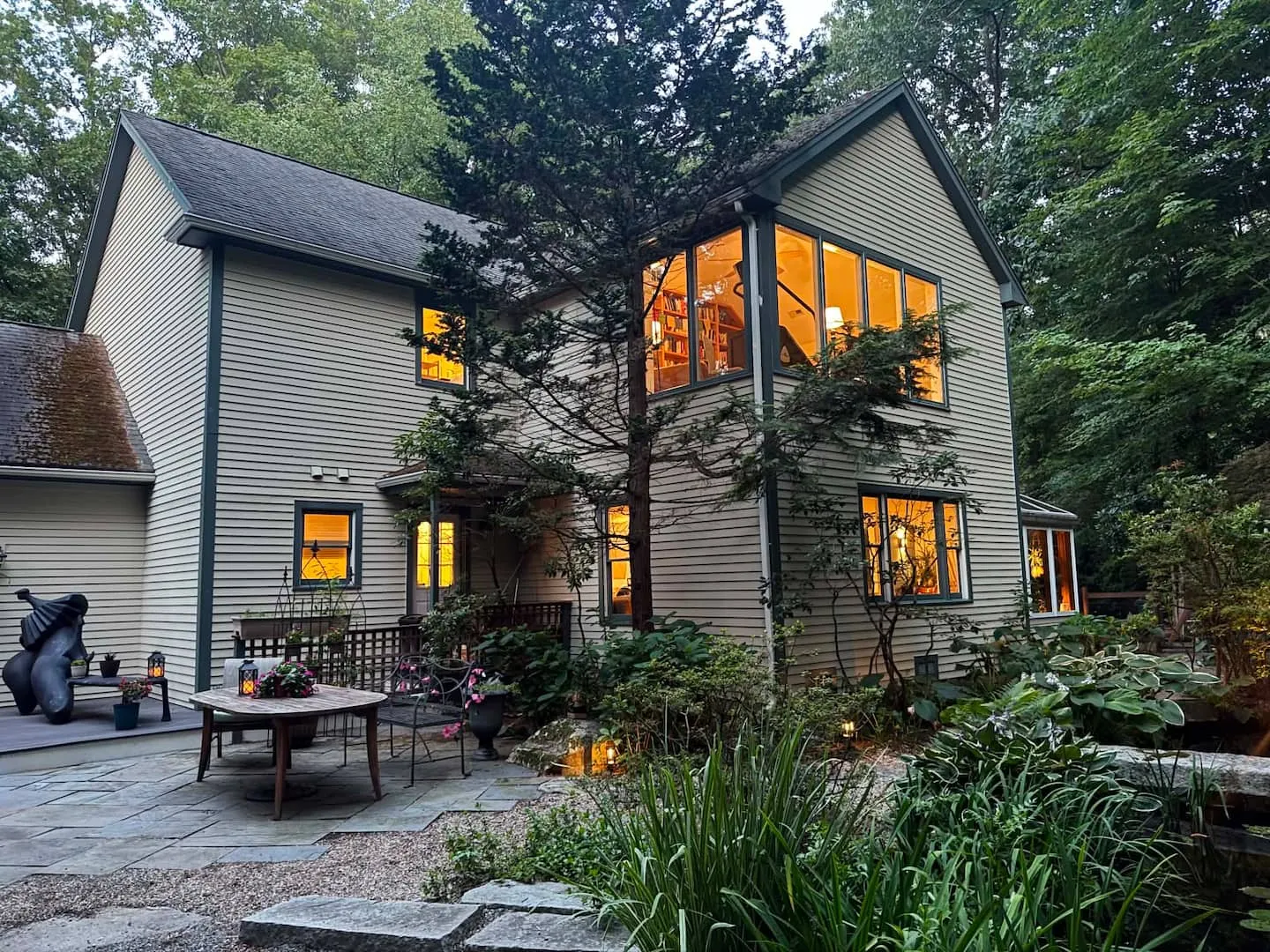
A nightly rate is not a number you set once and admire. It is a conversation with the market, and the market changes its mind every day. Here is how I approach pricing for the homes I manage: software for the math, a human for the context.
What dynamic pricing actually means
Dynamic pricing means each night on your calendar carries its own rate, adjusted for season, day of the week, how far away the date is, what is happening nearby and what comparable homes are charging.
Airbnb has a built-in version. According to Airbnb, Smart Pricing uses "hundreds of factors about your listing and your area" to adjust your nightly price based on demand, inside a minimum and a maximum that you choose. One detail worth knowing from that same help page: a custom price you set for specific dates takes precedence over Smart Pricing.
Third-party tools such as PriceLabs add more controls and can push rates to several channels at once. If you already use one, the question is what to layer on top.
What the data says, and what it does not
The most useful recent numbers I have found come from a 2025 study by Your.Rentals and PriceLabs. They followed 541 listings in 34 countries and compared the same periods before and after each listing switched from static to dynamic pricing.
- Revenue per unit rose 36.3%.
- Nights booked per unit rose 37.3%.
- The average daily rate barely moved (down 0.7%).
Read those three lines together. The gain did not come from charging more. It came from selling nights that used to sit empty.
Two honest caveats. This is a vendor study, and there was no control group of listings that stayed on static pricing, so treat it as directional rather than as a promise for your home.
Dynamic pricing rarely means "charge more." Mostly it means "stop leaving good nights empty."
Where human judgment earns its keep
A pricing tool knows patterns. It does not know your home, your town or your guests. Here are the places where I put my hands on the wheel.
Local events
An algorithm notices a demand spike once bookings start to move. A person who lives in the region knows about it months earlier: a graduation weekend, a festival, a race, a big wedding venue down the road with a full fall calendar.
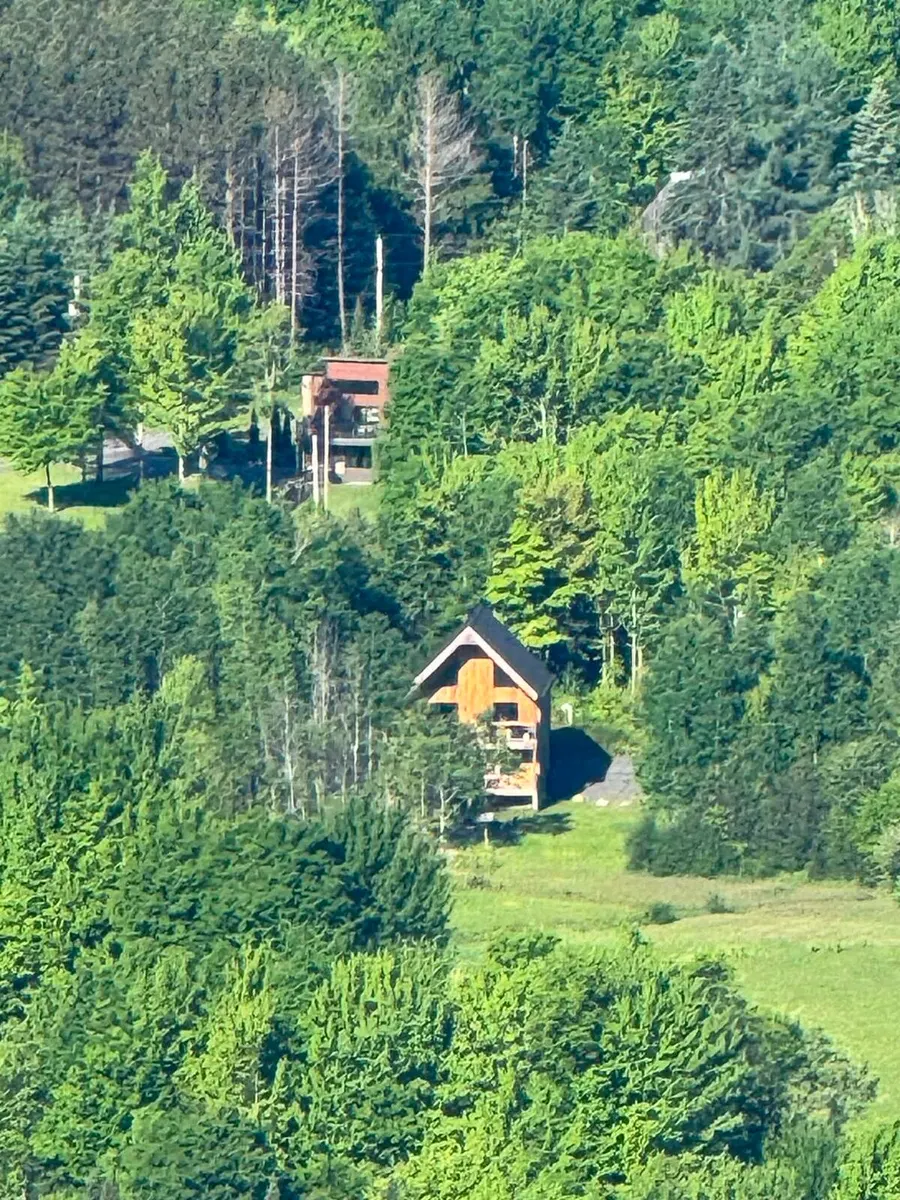
Seasons count as events too. Bonjour Québec, the province's official tourism site, says the fall colours run from mid-September to the end of October and lists the Eastern Townships among the places to see them. For a chalet near Coaticook, that is a season of its own and I price it as one. Because I live between Massachusetts and Québec, I keep both calendars in my head.
Lead time
How far ahead do your guests book? A group that needs four or five bedrooms and a table for twelve usually plans well in advance and has few alternatives. For a large whole home, that argues for holding your rate on far-out dates instead of discounting early, then softening inside the final weeks if the dates are still open. Know your own pattern before you accept a tool's default.
Minimum stays
A minimum stay is a pricing lever, not just a house rule. A three-night minimum on peak weekends protects you from a single Saturday booking that strands the nights around it. In quieter months the logic flips. Airbnb's own guidance on preparing for low season starts with allowing shorter stays. I vary minimums by season and by day of the week.
Orphan nights
PriceLabs describes orphan gaps as unbooked nights trapped between two reservations, too short to book under your current minimum stay. There are three good fixes:
- Let the minimum stay flex down to the size of the gap, for that gap only.
- Offer a modest discount. PriceLabs applies 20% by default to gaps of two nights or fewer, and you can change that figure.
- My favourite: write to the guest on either side and offer the extra night. As PriceLabs points out, that means no new clean and no new guest to acquire.
One caution from the same article: filling gaps at a discount can raise occupancy while lowering revenue. That is why I watch RevPAR and not occupancy alone. I explain how in the metrics that matter.
Competitors and special offers
I check a comp set by hand. Not the whole market, just the five or six homes a guest would realistically choose instead of yours. What are they asking for the same weekend? Are they already booked? If every comparable home is taken and yours is open, you have pricing power. If everyone is open, you do not. A weekly look at the next 90 days is usually enough.
Special offers are the fine brush: a tailored offer to a guest asking about four midweek nights does more for you than a blanket discount everyone can see.
Price follows value
Pricing can fill a calendar. It cannot lift the ceiling on what a night in your home is worth. That ceiling is set by your photos, your reviews and the experience itself, which is why I pair pricing work with low-cost, high-impact upgrades that give guests a reason to choose your home at your rate.
Hands-on pricing based on market conditions, special offers, competitors and local events is part of what I do for owners, across Airbnb, Vrbo, Booking.com and direct bookings.
Sources
- Airbnb Help Center, "Use Smart Pricing to automatically adjust prices based on demand": https://www.airbnb.com/help/article/1168
- Your.Rentals and PriceLabs, "Real Data on Dynamic Pricing for Vacation Rentals" (2025 study, 541 listings): https://your.rentals/blog/real-data-on-dynamic-pricing-for-vacation-rentals-2025-study/
- PriceLabs, "What Are Orphan Gaps and How to Leverage Them?": https://hello.pricelabs.co/blog/how-to-use-orphan-gaps-for-increasing-revenue/
- Airbnb Resource Center, "Six ways to prepare for low season": https://www.airbnb.com/resources/hosting-homes/a/six-ways-to-prepare-for-low-season-700
- Bonjour Québec, fall colours map and season: https://www.bonjourquebec.com/en-us/explore/seasons/fall

Want this done for your home?
Everything in this article is part of what Jillian does for the homes she hosts. Tell her about yours and she will tell you, honestly, what she would do with it.
Talk to Jillian