Revenue
No Surprise Charges: Fair Fees for Vacation Rentals
By Jillian Mood6 min read
The third line of the Mood Promise reads: "no surprise charges and no checkout chore list." It is the least glamorous sentence in the pledge, and the one I would defend the longest. Here is how it works in practice, fee by fee.
Guests said it first, and Airbnb listened
On November 7, 2022, Airbnb announced two changes in one post: total price display and an update to guest checkout. The total would "include all fees before taxes and be shown in search results, as well as on the map, filter, and listing page." On chores, Airbnb was blunt: "Guests should not have to do unreasonable checkout tasks such as stripping the beds, doing the laundry, or vacuuming when leaving their Airbnb." Turning off the lights, throwing food in the trash and locking the doors were named as reasonable, and any checkout requests should be shown to guests before they book.
The toggle became the default. Since April 21, 2025, guests around the world see the total price, including all fees before taxes, from the first search. Airbnb says nearly 17 million guests had switched the toggle on in the two years before that.
One line in the 2022 post matters to anyone who sets prices: "We are prioritizing total price (instead of nightly price) in our search ranking algorithm." A low nightly rate with a tall stack of fees behind it no longer looks like a bargain, to guests or to search.
Regulators are reading the same receipts
I am not a lawyer, and this is a summary of public pages as I read them in September 2026. Rules change, so confirm what applies to you with a professional or the regulator.
- United States. The FTC's Rule on Unfair or Deceptive Fees took effect on May 12, 2025. Its FAQ lists "Home shares and vacation rentals offered through platforms (like Airbnb or VRBO)" among the short-term lodging it covers, and gives this example: a vacation rental's mandatory cleaning fee "must be included in the total price." Taxes, shipping and truly optional extras may be left out of that figure.
- Canada. The Competition Bureau calls it drip pricing: advertising a price that is not attainable because mandatory fees get added later. It says the practice raises concerns under the Competition Act, unless the added charge is one the government imposes, such as sales tax.
- Québec. The Office de la protection du consommateur tells merchants they must advertise an all-inclusive price that covers every amount the consumer will have to pay, shown more prominently than its parts. GST and QST can be added at payment.
A platform and three regulators landed in the same place. The price is the price.
What fair looks like on a listing
One honest number
Build the total first, then decide how to split it. My rules of thumb:
- The cleaning fee reflects what the turnover costs. It is not a second nightly rate in disguise.
- Anything every guest must pay lives in the price, not in the house rules.
- No invented line items. Linens, "administration", firewood, the hot tub: if it is part of the stay, it is part of the rate.
- Optional means optional. A pet fee, an early check-in or a daytime event can be priced on their own, in the open, before booking.
Everything on the platform
Airbnb's Off-Platform and Fee Transparency Policy says hosts may not collect fees for Airbnb reservations outside the platform unless Airbnb expressly authorizes it, and that mandatory fees belong in Airbnb's pricing fields. A cash envelope for "extra cleaning" at the door is the exact surprise the policy exists to prevent.
Deposits, plainly
On Airbnb, most hosts are not allowed to charge security deposits, on or off the platform. Airbnb points hosts to AirCover for Hosts, which includes Host damage protection. On channels and direct bookings where a deposit is allowed, the fair version has three parts: the amount stated before booking, the conditions written in one short paragraph, and the return handled quickly without being asked.
Damage claims, handled with grace
A house that sleeps fourteen will lose a wine glass now and then. How you respond shapes the review, the rebooking and your own peace of mind. My approach:
- Sort wear from damage. A scuffed baseboard after twenty stays is wear. A cracked cooktop is damage. Small breakage is a cost of hosting. Budget for it instead of billing for it.
- Assume an accident. Nearly always, it was one. Guests who feel accused stop being honest. Guests who feel safe tell you about the broken chair before you find it.
- Document first. This is one reason our turnover checklist starts with a photo walk. Photos, the date, then a repair estimate or receipt.
- Message like a person. Something like: "We found the patio door off its track this morning. No drama, these things happen with a full house. I am sending the repair cost through Airbnb so it is all documented. Thank you for a lovely stay otherwise."
- Use the official channel, on time. Airbnb's Host damage protection page says to file a reimbursement request within 14 days of the responsible guest's checkout, and that the guest has 24 hours to respond before you can involve Airbnb Support. Read the current terms before you rely on them.
- Never trade on reviews. No hints, no bargaining. A claim is about a repair and nothing else.
When the problem runs the other way, and something on our side went wrong, the last line of the Mood Promise applies: we fix it fast and make it right. That script is in service recovery, when something goes wrong.
The end of the chore list
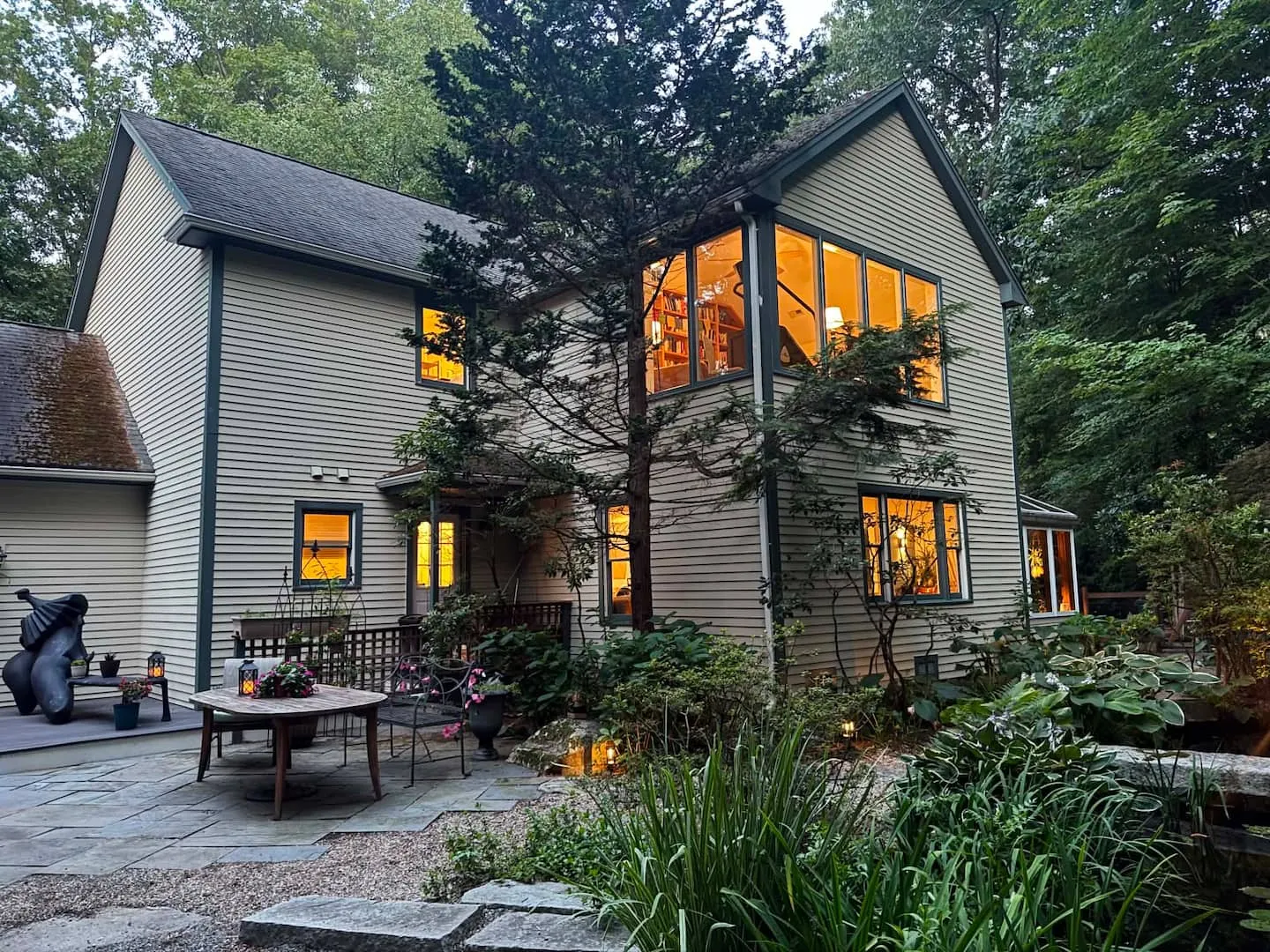
The checkout page of our Southborough house manual opens with: "No complicated chore list, just a few small steps before you head home." Bag the trash. Leave the towels. No need to strip the beds.
A guest who paid a cleaning fee and then spent the last morning of a holiday running the washing machine has paid twice, and they know it. That is why checkout chores earn a place in our roundup of the top guest complaints about short-term rentals. The last hour of a stay is the freshest memory a guest carries into the review, so I would rather they spend it on the patio with a coffee.
A fee the guest saw coming is a price. A fee they did not is a story they tell their friends.
A ten-minute fee audit
- Search your own dates as a guest. Note the total with taxes.
- List every charge. For each one: mandatory or optional?
- Every mandatory charge is inside the platform's price fields.
- Nothing in the house rules, the manual or a message adds a cost the listing did not show.
- Deposit terms, if any, are stated before booking and written in plain words.
- Checkout steps are few, shown before booking and explained.
- Do the same on Vrbo, Booking.com and your direct site.
Fair fees are one line of the Mood Promise. The rest, and the four pillars behind it, are on the Mood Method page.
Sources
- Airbnb Newsroom: Airbnb is introducing total price display and updating guest checkout (November 7, 2022)
- Airbnb Newsroom: Total price display is now standard for guests worldwide (April 21, 2025)
- Federal Trade Commission: The Rule on Unfair or Deceptive Fees, Frequently Asked Questions
- Competition Bureau Canada: Drip pricing
- Office de la protection du consommateur (Québec): Advertising an all-inclusive price
- Airbnb Help Center: Off-Platform and Fee Transparency Policy
- Airbnb Help Center: Security deposits
- Airbnb Help Center: Host damage protection

Want this done for your home?
Everything in this article is part of what Jillian does for the homes she hosts. Tell her about yours and she will tell you, honestly, what she would do with it.