Local guides
Airbnb Hosting in the Eastern Townships: An Owner's Guide
By Jillian Mood5 min read
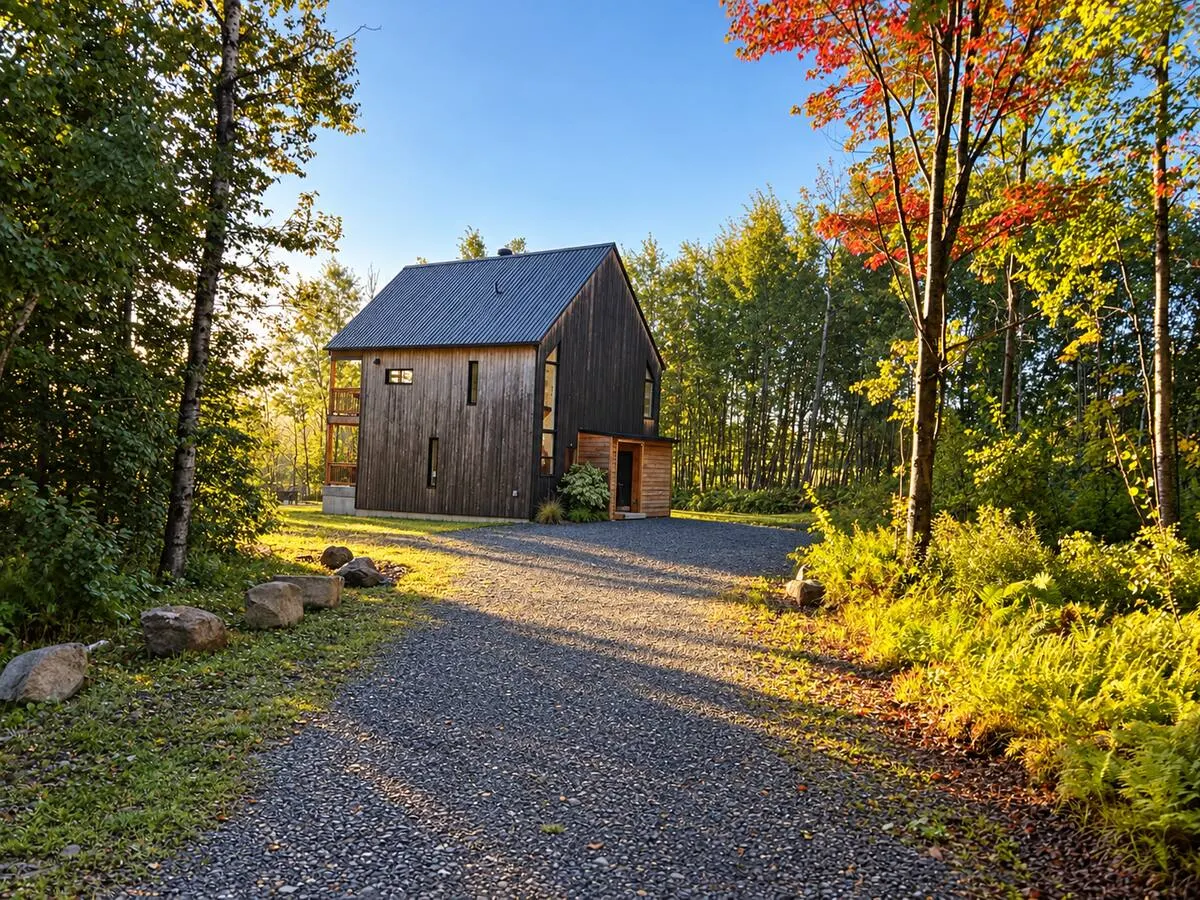
The Eastern Townships may be the most generous region in Québec for a short-term rental: ski hills, lakes, vineyards and fall colours, all within a drive of Montréal and the New England border. It is also a region where the paperwork matters. Here is the lay of the land, as I understand it from the official sources, checked in September 2026.
One note: I am a co-host, not a lawyer or an accountant. Rules change. Confirm every point with your municipality, the CITQ, Revenu Québec or a professional.
Step one: the provincial registration
In Québec, short-term renting is governed by the Tourist Accommodation Act (Loi sur l'hébergement touristique). The Québec government's registration page (in French) says you must register when you offer at least one accommodation unit to tourists, for payment, for periods of 31 days or less. The CITQ's FAQ adds that this applies "regardless of the number of rentals". A few weekends a year still counts.
For chalets, condos and houses, registration runs through the CITQ (Corporation de l'industrie touristique du Québec). According to its FAQ, the file includes:
- A notice of compliance with municipal planning regulations, signed by your municipality
- Proof of ownership (or the owner's authorization if you are a tenant)
- Proof of civil liability insurance of at least $2,000,000 per event
- Exterior and interior photos
- The condo syndicate's authorization, if the unit is in a divided co-ownership
The registration is valid for 12 months and must be renewed. It is not transferable, so if you buy a chalet that is already rented, you apply again under your own name. You may only start renting once you hold the actual certificate.
Once registered, the number has to work for you in public. The CITQ asks that it appear on every listing and advertisement, that the certificate be posted where guests can see it at the main entrance, and that the PDF certificate be sent to platforms such as Airbnb and Vrbo. The province's offences and fines page (in French) lists fines of $2,500 to $25,000 for an individual who operates without registration, with Revenu Québec handling enforcement.
Step two: your municipality decides the zoning
The provincial number is only half the picture. No municipal notice of compliance, no registration, and the CITQ's FAQ is direct about it: "You must inquire directly with the municipality where the establishment is located."
The region is a patchwork of towns, villages and townships, and each writes its own zoning. The CITQ also notes that while the province sets no yearly cap on nights for principal residences, "a municipal by-law may do so".
My advice: call the urban planning department before you buy or furnish with renting in mind, and ask whether tourist accommodation is a permitted use in your zone.
Step three: the lodging tax
Québec has a tax on lodging. Revenu Québec describes it as usually 3.5% of the price of an overnight stay. When you rent through a digital platform that is registered for the tax and that receives the full payment, Revenu Québec explains that the platform operator collects and remits it.
Direct bookings are different. If you take payments yourself, the collection duty can land on you, and GST and QST may enter the picture depending on your situation. That is a conversation for Revenu Québec and your accountant, not a blog post.
Four seasons of demand
Winter. Tourism Eastern Townships promotes four major ski resorts: Bromont, Mount Orford, Mount Sutton and Owl's Head, each with its own personality.
Summer. Lakes and beaches, cycling routes, and four national parks plus two regional parks, according to the regional tourism site.
Fall. The colours are a travel reason all on their own, and the region pairs them with harvest season. Tourism Eastern Townships calls the area Québec's first wine region, with the Brome-Missisquoi wine route, the Estrie wine route and about twenty other vineyards.
For an owner, this means your calendar, photos and pricing can turn over four times a year. I wrote more about that in filling midweek and off-season nights.
What Montréal and New England guests look for
Guests from Montréal often come for a fin de semaine: a short drive, a group of friends or two families. They appreciate a home that is ready the minute they walk in, with a fire pit, a fondue set, good coffee and a plan for a rainy day.
Guests from New England tend to cross the border for a longer stay, and part of the appeal is that it feels like elsewhere. Local cheese, maple treats and Québec art on the walls are not decoration. They are the trip.
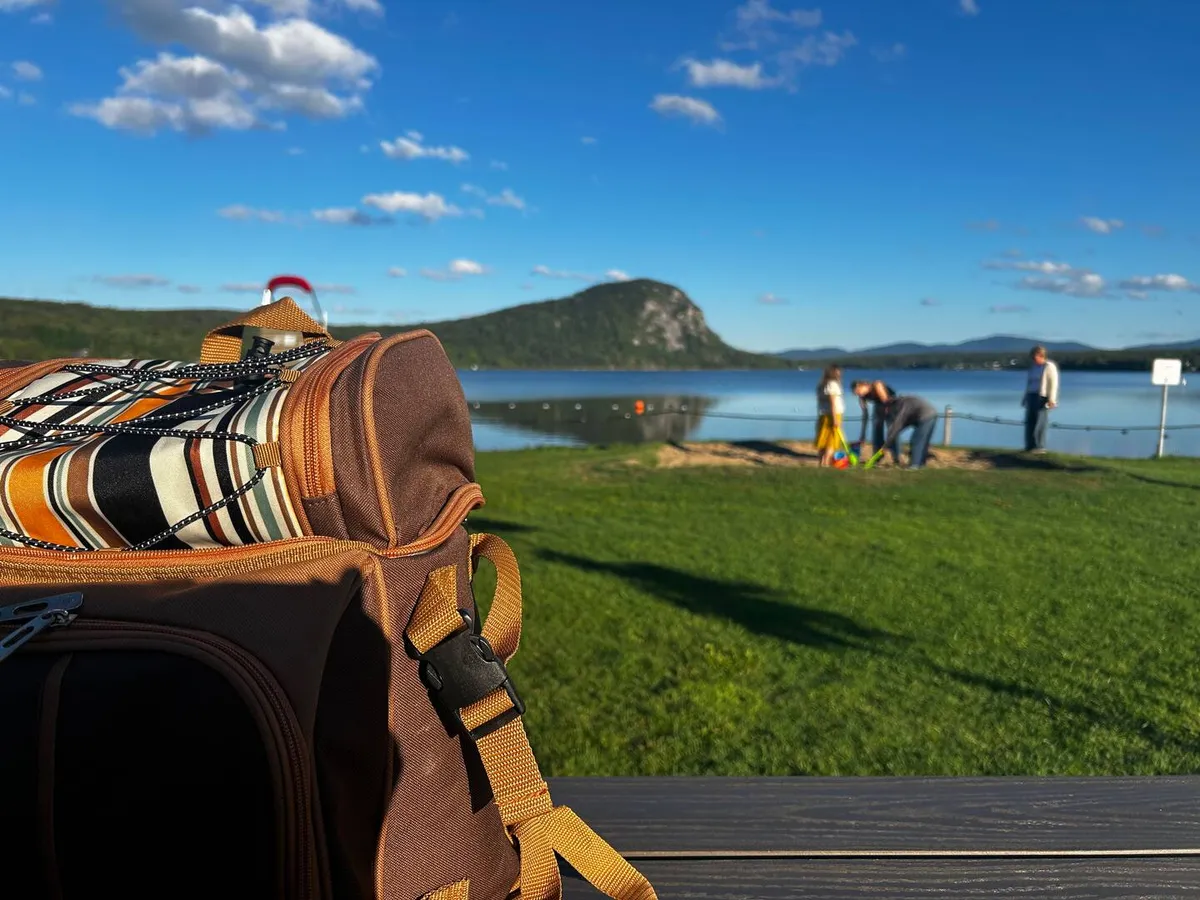
Both groups deserve a bilingual welcome: a listing, messages and a house manual that read naturally in French and in English. At Villa Foresta, near Coaticook, the house is stocked for groups: games, robes, picnic gear, walking sticks and beds for the dog. As the listing says, "The house is part of the adventure."
Where a partner fits
You can absolutely run a Townships rental yourself, and many owners do it beautifully. Where a co-host adds leverage is in the things that need presence and rhythm: a vendor network for snow, cleaning and repairs, seasonal photography, hands-on pricing and quick replies to guests. For a second pair of eyes on your property, write to me. If you are weighing the options, read co-host or property manager.
Sources
- Gouvernement du Québec, registering a tourist accommodation establishment (in French, checked September 2026): https://www.quebec.ca/tourisme-loisirs-sport/hebergement-touristique/enregistrement
- Gouvernement du Québec, offences and fines (in French, checked September 2026): https://www.quebec.ca/tourisme-loisirs-sport/hebergement-touristique/infractions-et-amendes
- CITQ, cottages, condos and homes: https://citq.qc.ca/en/chalet.php
- CITQ, frequently asked questions: https://citq.qc.ca/en/foireauxquestions.php
- Revenu Québec, tax on lodging: https://www.revenuquebec.ca/en/businesses/consumption-taxes/tax-on-lodging/
- Tourism Eastern Townships: https://www.easterntownships.org/
- Tourism Eastern Townships, "To Each Mountain its Own Experience!": https://www.easterntownships.org/article/750/to-each-mountain-its-own-experience
Want this done for your home?
Everything in this article is part of what Jillian does for the homes she hosts. Tell her about yours and she will tell you, honestly, what she would do with it.
Talk to Jillian