Hospitality
Airbnb Check-In That Never Fails: Codes, Backups, Welcome
By Jillian Mood5 min read
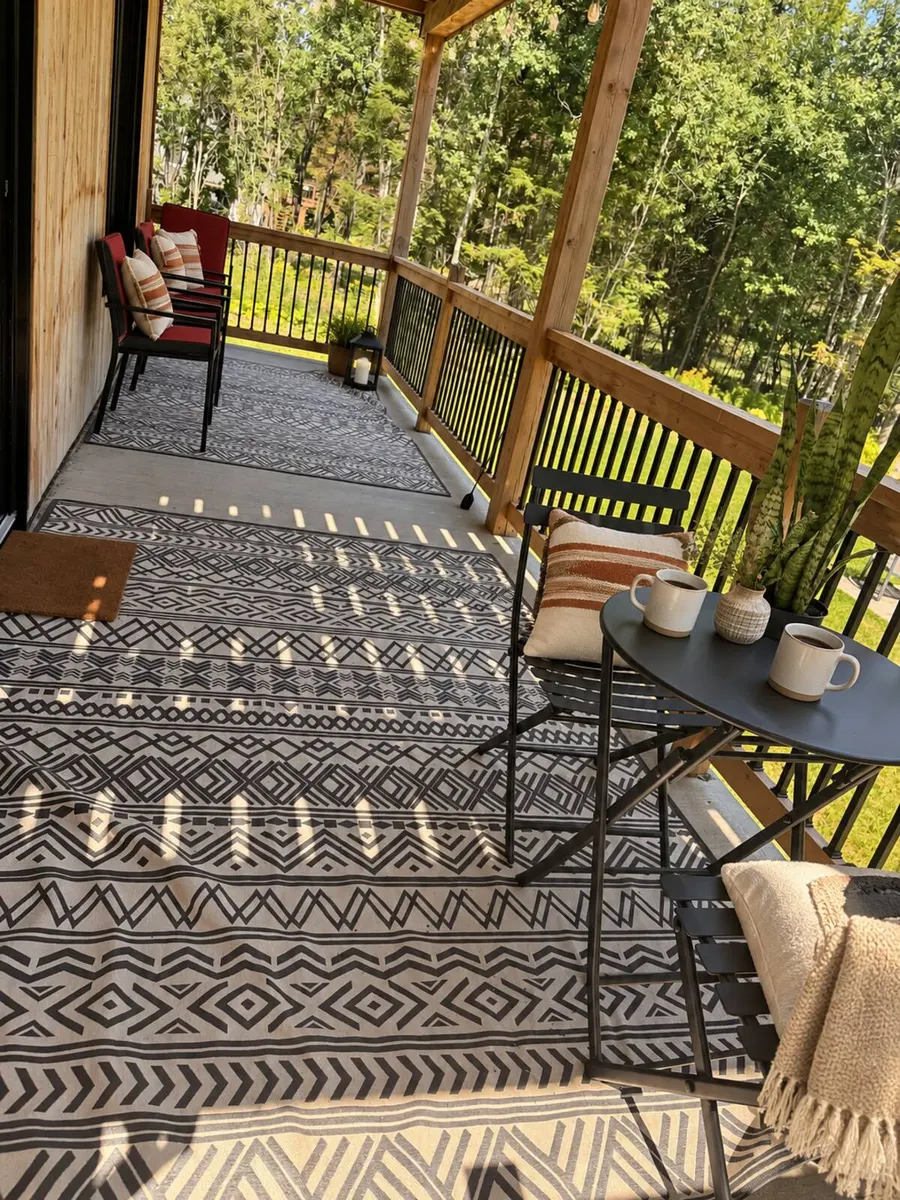
I plan every arrival for the same imaginary guest. She has driven four hours, it is dark, two kids are asleep in the back, and her phone is at 9 percent. If the door opens on her first try, the holiday has begun. If it does not, the house has to win her back from the porch.
So check-in gets more of my attention than almost anything else in a home. It is the first promise a stay keeps.
Check-in is a rule, a rating and a filter
Airbnb treats access as a baseline duty. Its ground rules for home hosts say hosts should give guests "the ability to readily access the listing at check-in (ex: correct directions, updated keycode, etc.) and throughout their stay."
It is also scored on its own. Check-in is one of the six category ratings guests give, and Airbnb's ratings page puts the whole test in three words: "Was it easy?" Guests who rate it low get to pick a reason, with options like "Hard to locate" or "Unclear instructions". Those category ratings are among the factors behind Guest Favorite status.
And it sells. Airbnb's Resource Center says self check-in is one of the top 10 amenities guests search for, based on its own 2025 search data.
In the Mood Method, arrival is where two pillars shake hands: Omotenashi, because you are anticipating a tired person's needs, and Details and delight, because a lock is a detail until the night it isn't.
Write for the tired version of your guest
Airbnb releases your detailed instructions 48 hours before check-in. On the guest side, Airbnb's own check-in guide gives travelers a pro tip: screenshot the instructions in case you lose your connection on the road.
That tip is your design brief. The instructions have to work as a screenshot, read one-handed, in the dark, with no signal. Here is how I write them.
- Start at the road, not at the door. Name the last landmark, which driveway is yours, where to park and which door to walk to. Country roads near Coaticook and wooded streets in MetroWest have one thing in common: house numbers hide at night.
- One action per line, numbered. "1. Lift the keypad cover. 2. Enter the code. 3. Wait for the bolt to turn by itself." Paragraphs are for the house manual.
- A photo at every decision point. Airbnb lets you attach photos to check-in instructions. Take them at dusk, when your guest will actually be standing there.
- The code alone on its own line. Digits only, no sentence wrapped around it.
- Say what success sounds like. "Two beeps, then the bolt slides back." A guest who knows what should happen can tell right away when it hasn't.
- No links to get in. Anything essential lives in the message itself.
Then test it on a human. Hand the message to a friend who has never seen the house, stay silent, and watch. Every place they hesitate is an edit.
Two ways in, always
Locks fail in boring ways. Batteries fade, faster in a Québec January. Wifi drops and a code never syncs. A guest types the code with gloves on and gets locked out after too many tries.
My rule is that every home has two independent ways in, and the second one does not depend on anything the first one needs. If the first is a connected smart lock, the second is a lockbox with a physical key, placed somewhere discreet and photographed for the day it is needed.
Airbnb has built this into its own tools. If you connect a smart lock to Airbnb, guest codes stay active for the whole stay and expire 30 minutes after checkout by default (you can set that window anywhere from 15 minutes to 2 hours). You can also add backup entry instructions, "such as a lockbox with a key", which Airbnb shares with confirmed guests only if there is a problem with the lock, and it notifies you when that happens. As of September 2026, Airbnb says the direct connection is available only for listings in the US and Canada.
A few habits keep the first way in healthy:
- A unique code for every booking, which Airbnb recommends whatever hardware you choose.
- Lock batteries changed on a calendar, not on the low-battery chirp.
- The guest's actual code tried on the actual door during the final walk before arrival. It takes ten seconds and belongs on your preparation checklist.
- A human backup. A vendor network of cleaners and handymen matters here: someone with a key who can be at the door quickly is the third way in.
Be unmissable for the hour around arrival
Airbnb's ground rules get specific about this window. Close to check-in time, or when something time-sensitive comes up during the stay, hosts are expected to respond within 1 hour to messages received during local daytime hours. Meanwhile its guest guide tells travelers to contact Airbnb if check-in time has passed and the host has not answered for 2 or more hours. Nobody wants a stay that starts with that call.
On-the-hour answers is a pillar of the method for the whole stay, and I go deep on it in the one-hour rule. Around arrival I tighten it further: phone on loud, nothing else scheduled. On arrival morning a short note goes out: the code is live, the porch lights will be on, I am reachable all evening. Most guests never need to reply. They just drive more calmly.
The first five minutes
A door that opens is the minimum. What the guest sees next decides the mood of the first evening.
- Light. Path, porch and entry lit before dusk. Nobody should hunt for a switch in a house they have never seen.
- Temperature. Already right. Warm in February, cool in July.
- Wifi where eyes land. Framed near the entry or the kitchen, in large type.
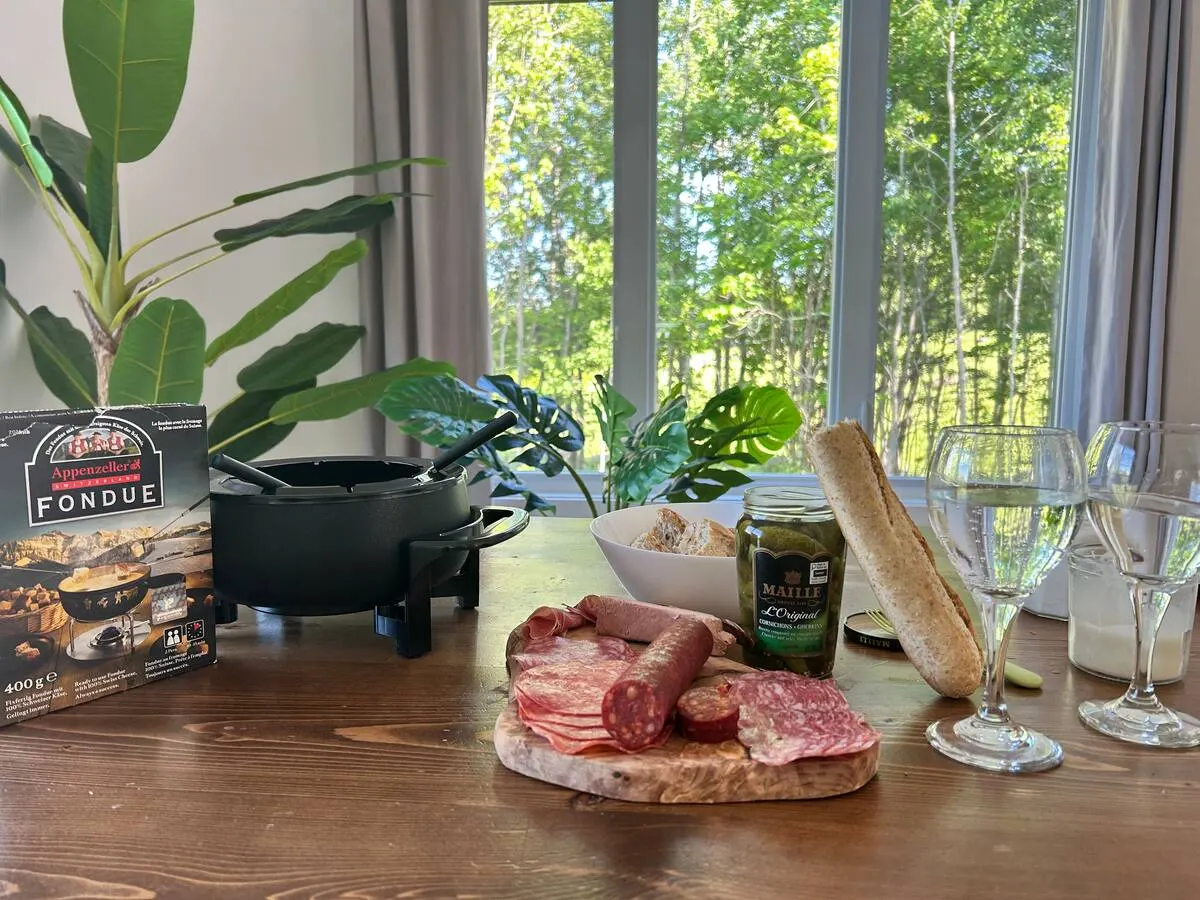
- One thing that says "this is for you". At Villa Foresta, the listing photos show a welcome board with local charcuterie, bread and wine glasses. It does not need to be elaborate. It needs to be visible from the door.
- Nothing to study tonight. The Southborough house manual runs 19 pages, and it opens with an At a Glance page for exactly this moment. The projector's three remotes can wait until tomorrow.
The best check-in is the one your guest forgets, because nothing about it asked for their attention.
A five-line arrival audit
- Arrive after dark using only the message you send guests.
- Put your phone in airplane mode at the end of the road. Can you still get in?
- Get in using only the backup method.
- Time the stretch from car door to kettle on.
- After each stay, ask whether anything about arriving was unclear, then fix that line.
Number five is the M of the method at work. Arrival is the easiest part of a stay to improve, because every guest tests it for you.
Sources
- Airbnb Help Center: Ground rules for home hosts (checked September 2026)
- Airbnb Help Center: Ratings for homes
- Airbnb Help Center: Add check-in and checkout instructions to listings
- Airbnb Help Center: How to check in to your home reservation
- Airbnb Help Center: Set up and manage your listing's connected smart lock
- Airbnb Resource Center: How to provide self check-in for smooth arrivals

Want this done for your home?
Everything in this article is part of what Jillian does for the homes she hosts. Tell her about yours and she will tell you, honestly, what she would do with it.