Hospitality
Omotenashi: Japanese Hospitality for Short-Term Rentals
By Jillian Mood5 min read
There is a Japanese word for the feeling of walking into a place where someone has clearly been thinking about you before you arrived: omotenashi. It is not a service standard or a checklist. It is a way of paying attention, and it has a lot to teach anyone who hosts a whole home.
What omotenashi actually means
The Japan National Tourism Organization describes omotenashi as a culture of wholeheartedly looking after guests, one that comes from sado, the tea ceremony, where the host "prepares a bowl of tea from their heart." My favourite line on that page is this one: omotenashi is "an implicit understanding that there are no menial tasks if the result ensures a great experience for a guest."
Academic writing sharpens the picture. In a 2021 paper in the Journal of Advanced Management Science, Shunichiro Morishita of Kyushu Sangyo University reviewed the research on omotenashi and compared it with Western ideas of service and hospitality in the Japanese lodging industry. He identified four characteristics:
- It is rooted in traditional Japanese culture.
- The host understands the guest's implicit requests (thoughtfulness).
- Host and guests work together as one (equality).
- It is offered in a casual manner.
An honest note. Morishita also points out that omotenashi depends on a shared cultural context, which makes it hard to transplant. A house in Massachusetts is not a ryokan. So I treat omotenashi as something to learn from, with respect, and not as a label to stick on a listing.
Four lessons, translated for a rental
1. Answer the question before it is asked
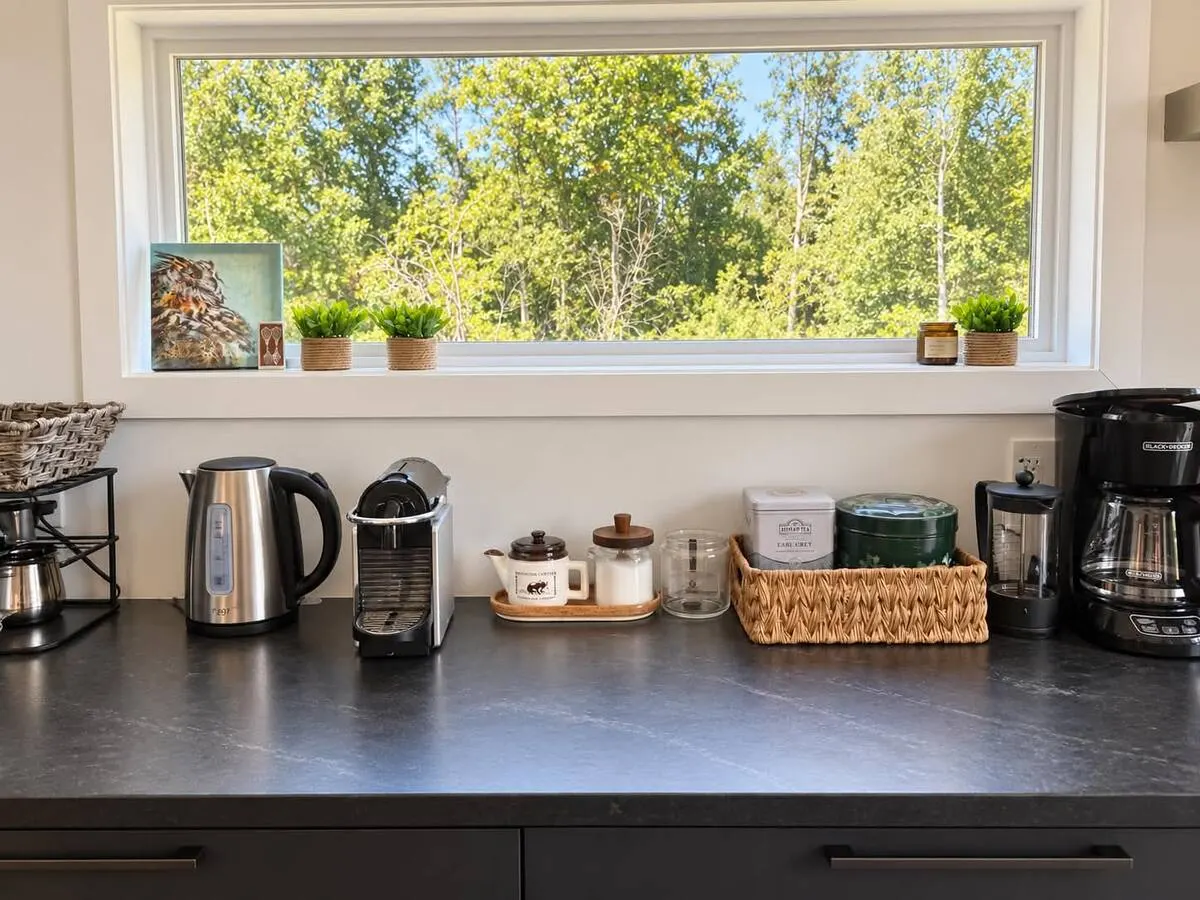
Morishita writes that the main characteristic of omotenashi is anticipating what guests want from the situation and context. In a rental, the situation is easy to picture: a family pulls in after dark, tired, with bags in both hands. What do they need first? A lit path. A door code that works on the first try. The wifi password where eyes naturally land. Extra blankets where a cold person would look for them.
Anticipation also starts before arrival. The Southborough listing says: "share any special requests in advance and we'll do everything we can to bring them to life." One friendly question about the occasion for the trip tells you whether to think about a birthday, a reunion or a quiet reset. I go deeper on this in guest communication before, during and after the stay.
2. No task is menial
My note to guests at Villa Foresta reads: "Nothing is too big or too small when it comes to making this an amazing stay." Set it beside the tourism organization's line about menial tasks and you will see it is the same idea.
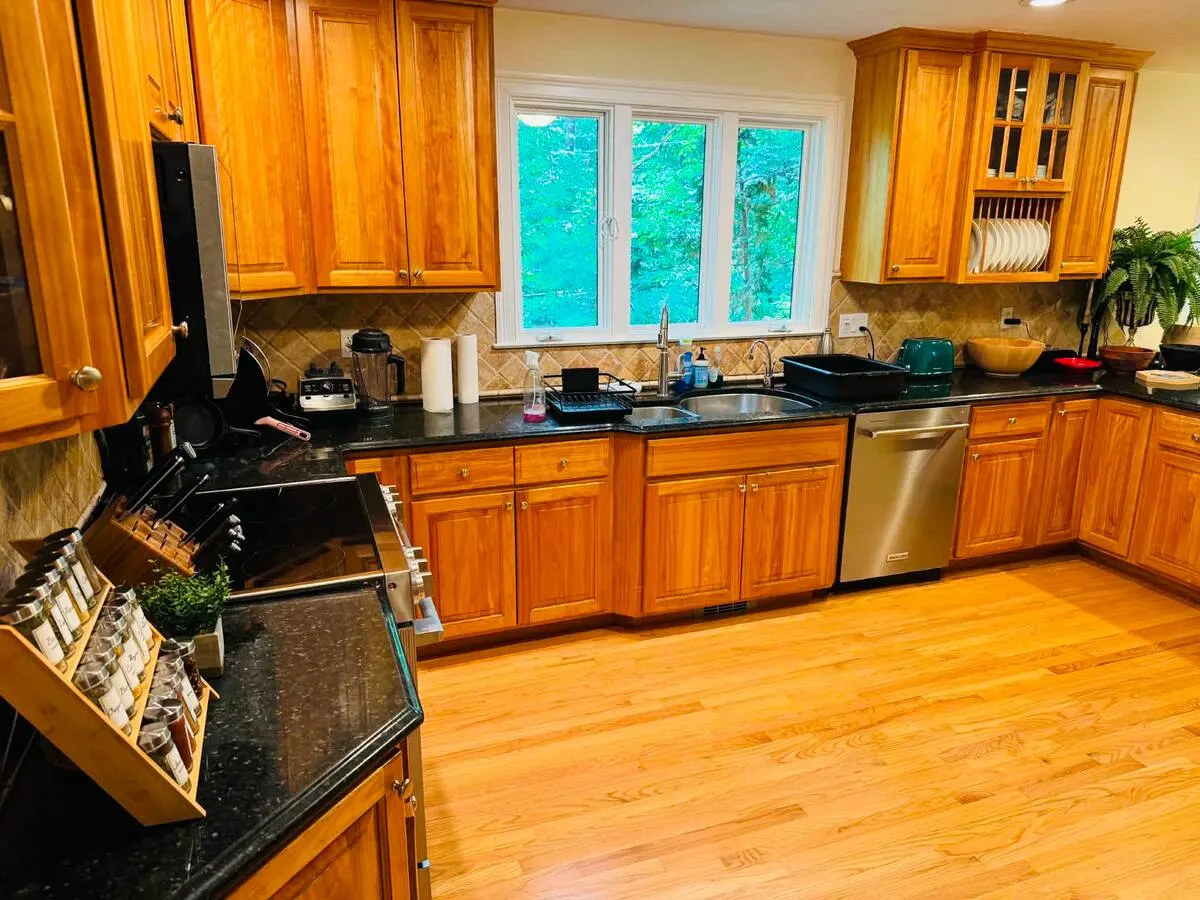
In practice it looks humble. A full spice rack in the Southborough kitchen, so whoever is cooking for twelve does not have to buy a jar of cumin for one recipe. Treats and beds for the dogs at Villa Foresta, because they are guests too. All of it says: someone thought about you.
3. Keep it light
"Offered in a casual manner" may be the hardest of the four. Wholehearted does not mean hovering. The tourism organization's guide to ryokan, the traditional inns where omotenashi is the cornerstone of the experience, describes staff who explain the customs so guests can relax, and yukata robes provided for wandering the landscaped grounds. The care is everywhere, and it never asks for applause.
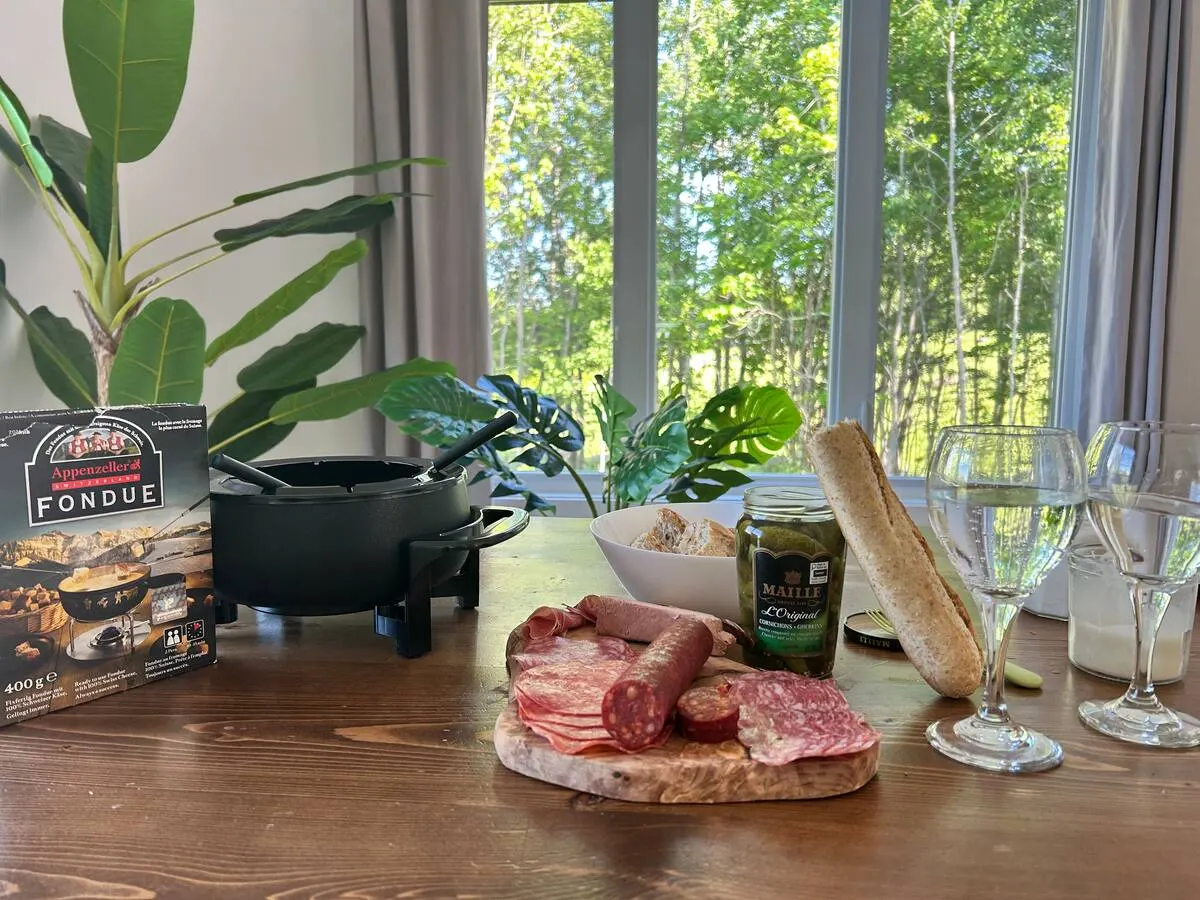
For a rental, that means fluffy robes hanging where guests will find them, s'mores supplies waiting by the fire pit, and a host who is reachable within the hour but not in the inbox every afternoon. Thoughtful, then quiet.
4. Host and guest, together
Guests are not an audience. They are part of the experience, and they answer thoughtfulness with their own. It is why I trust guests with beautiful things. The Southborough home has a custom library of more than 1,000 books, a chess table, and a dining table handmade by a family member about 20 years ago. A house manual that suggests how to enjoy the home, and not only how to operate it, is an invitation into that partnership.
The garden path as a teacher
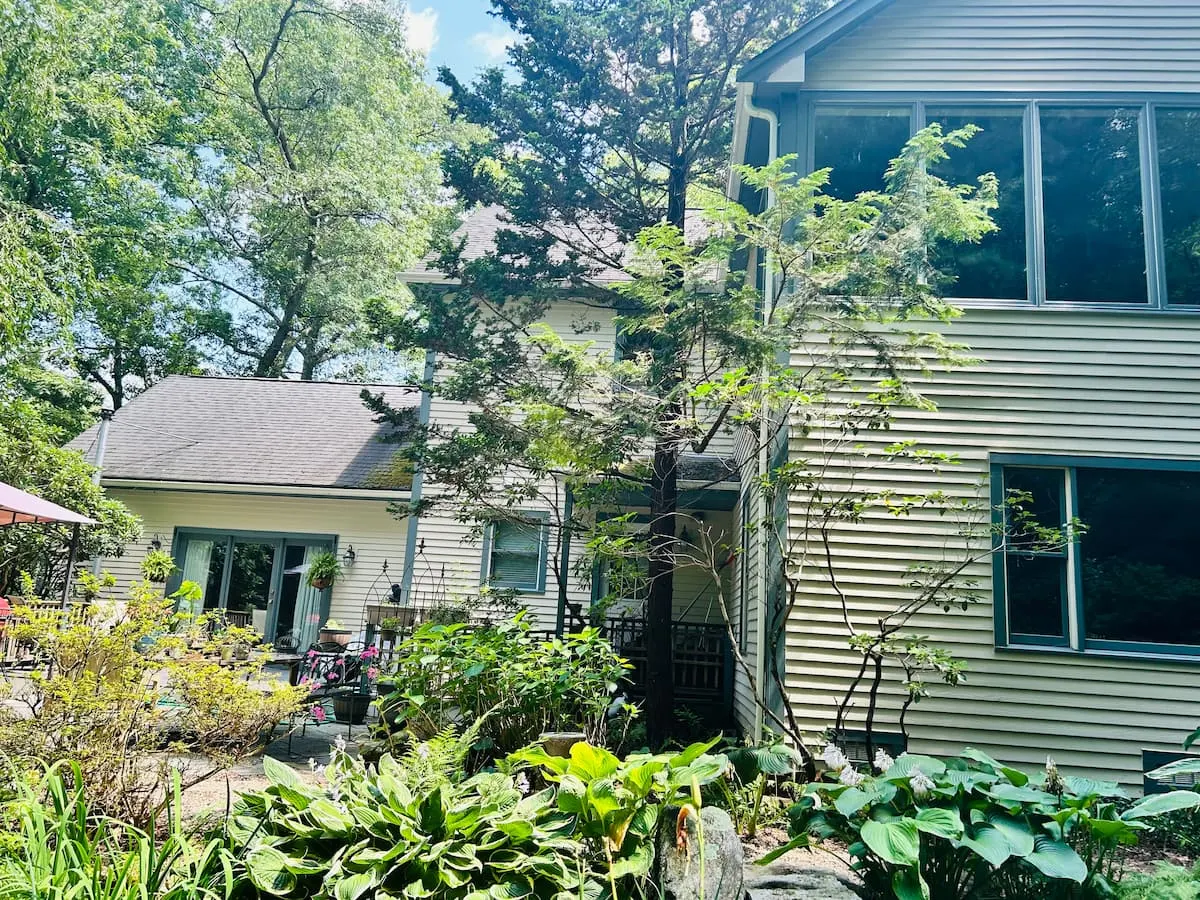
The Southborough grounds cover more than an acre, with walking paths inspired by Japanese garden design. Those paths turn out to be a good model for a whole stay.
In a chapter on paths published by the North American Japanese Garden Association, Andrew R. Deane quotes garden designer Marc Keane: "Through careful design of the paths, the gardener controls not only the cadence of motion through a garden but what is seen as well." The chapter describes miegakure, the technique of alternately hiding and revealing views, and the larger stones set into a path to encourage a visitor to stop briefly and take in a specific vista.
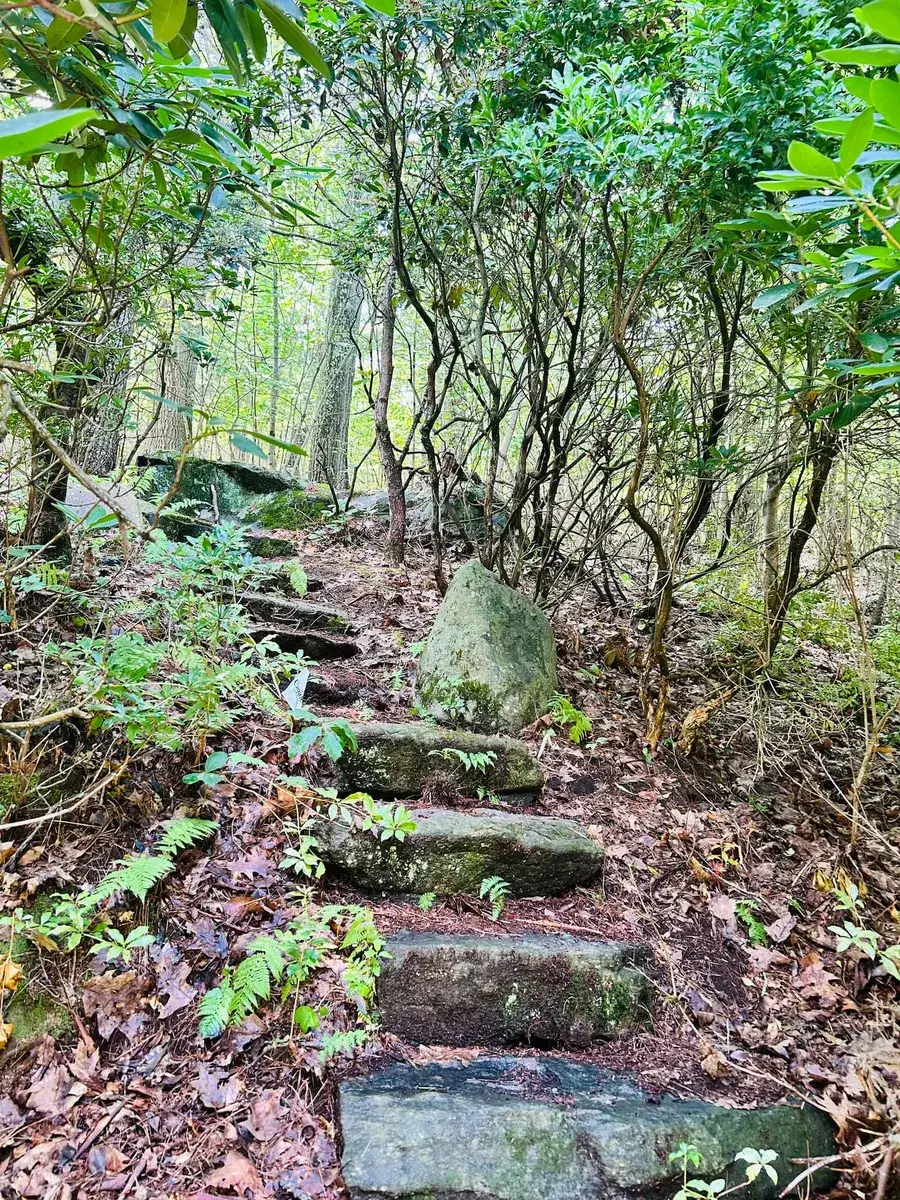
A stay has a path too. Arrival is the gate. The first room sets the cadence. And somewhere along the way there should be a discovery and a place to pause. In Southborough, one of my photo captions reads "Secret backyard stairs to secret rock seat in the forest." That seat is a pause stone. So is the glass conservatory, which doubles as a meditation room. You do not need an acre to do this. A chair turned toward the best window will do.
Hospitality is not what you add to a home. It is what you notice on behalf of someone who has not arrived yet.
A short omotenashi audit
Try these four questions on your own property:
- Walk the arrival at night with a bag in each hand. What do you wish for?
- What would a guest have to ask you for? Can you answer it in advance?
- Where are the pause points, the seats that face something worth looking at?
- What is here purely for the guest's delight, with nothing expected in return?
This is the kind of noticing I do for the owners I work with, and I am always happy to walk a property with fresh eyes.
Sources
- Japan National Tourism Organization: Omotenashi
- Japan National Tourism Organization: Japanese Ryokan Guide
- Shunichiro Morishita, "What is Omotenashi? A Comparative Analysis with Service and Hospitality in the Japanese Lodging Industry," Journal of Advanced Management Science, Vol. 9, No. 4, December 2021
- North American Japanese Garden Association: Japanese Garden Paths, by Andrew R. Deane

Want this done for your home?
Everything in this article is part of what Jillian does for the homes she hosts. Tell her about yours and she will tell you, honestly, what she would do with it.
Talk to Jillian