Hospitality
Vacation Rental Maintenance Checklist by Season
By Jillian Mood7 min read
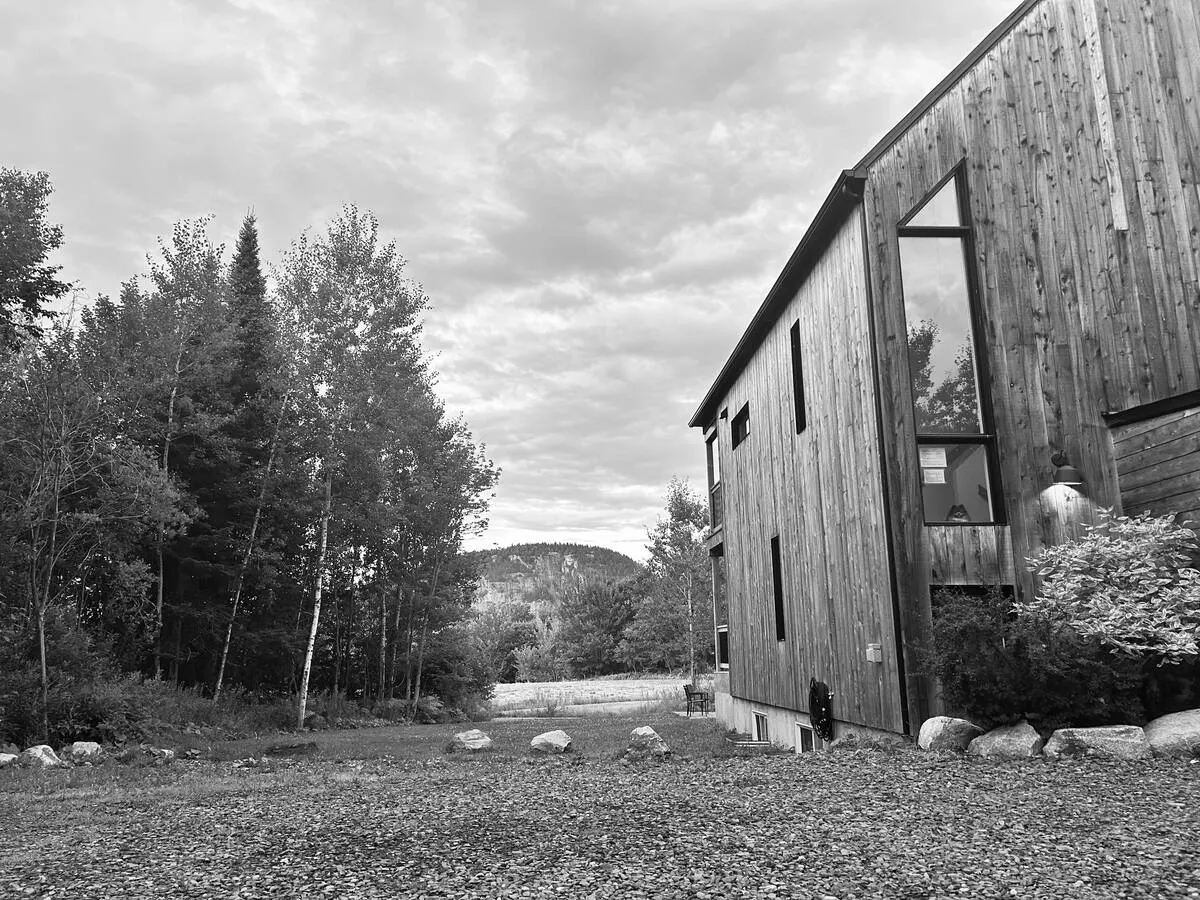
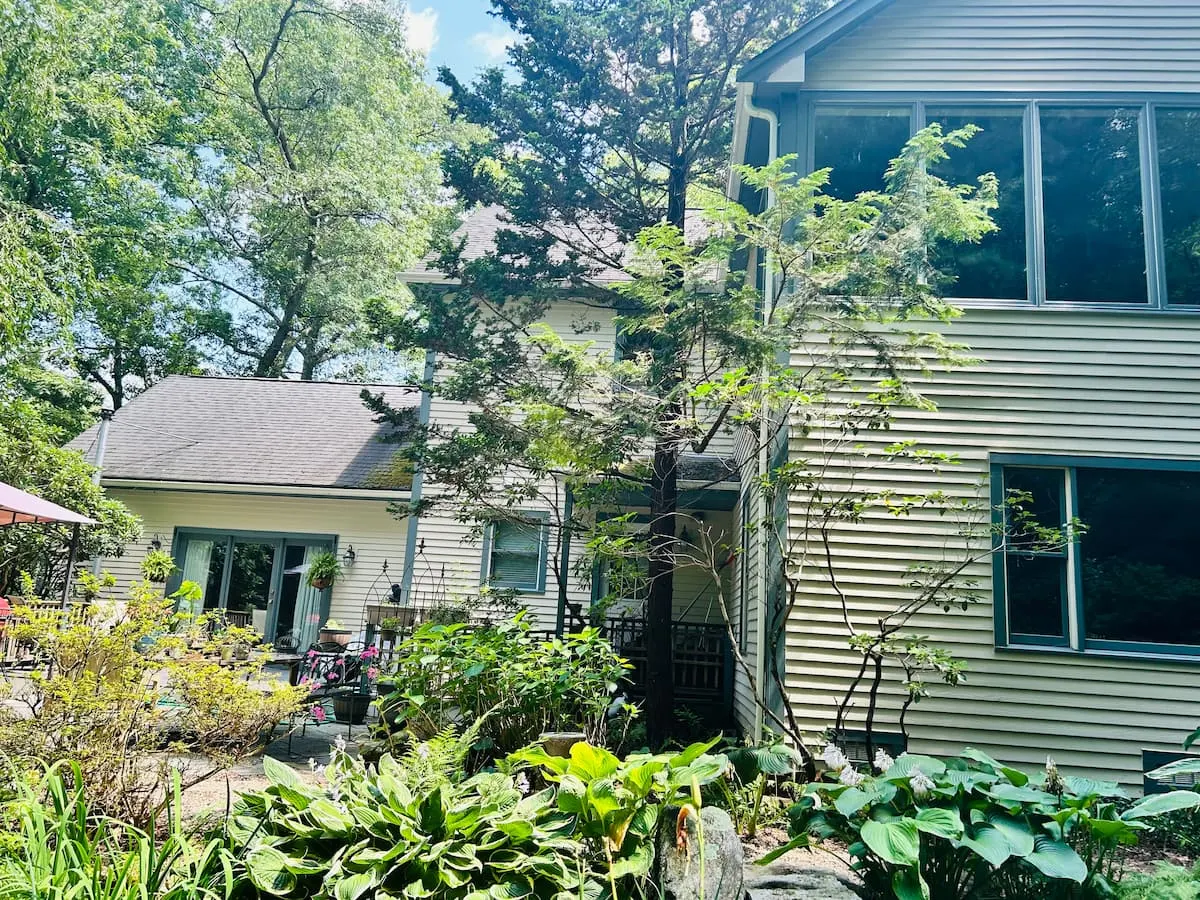
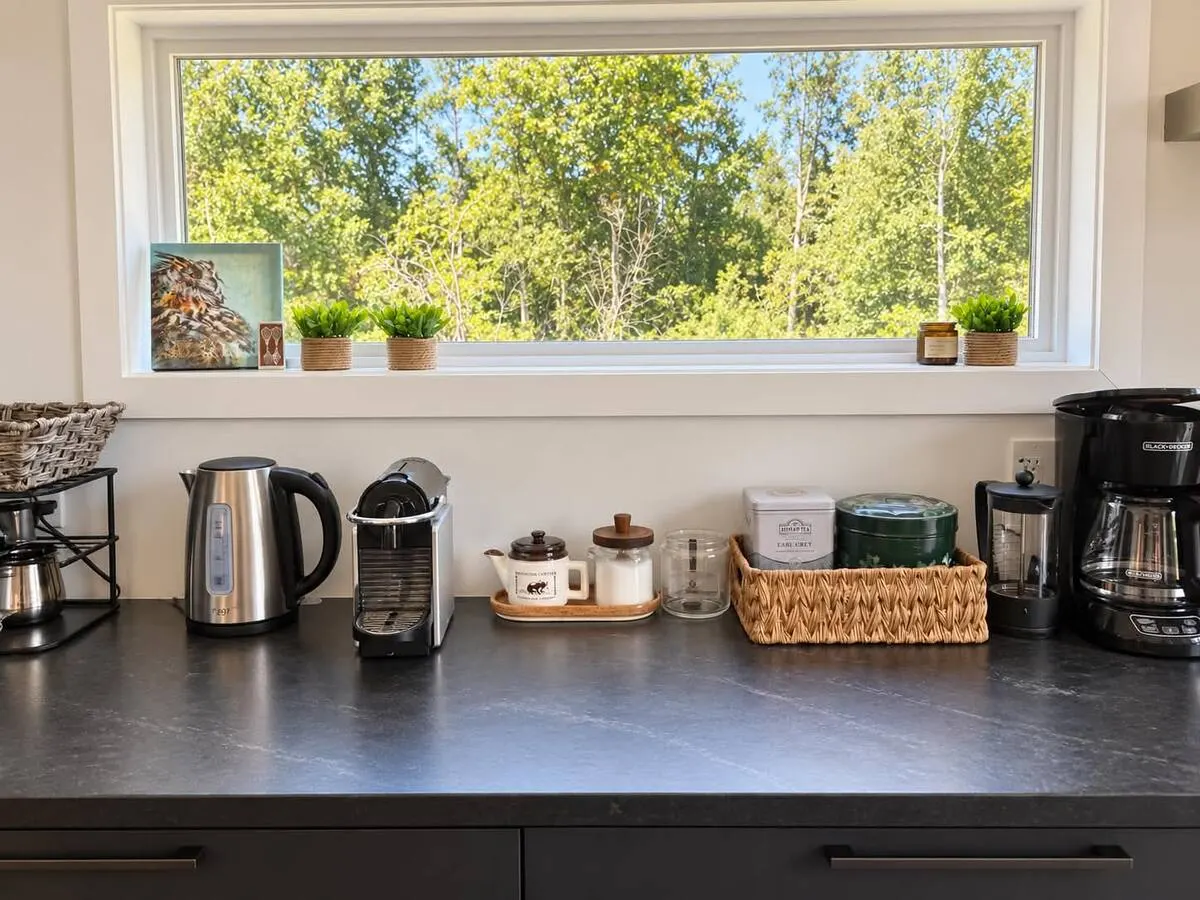
Guests forgive weather. They do not forgive a cold shower. The Mood Method's fourth pillar says a home is "maintained on a schedule rather than on a complaint", and this article is that schedule, written for the two climates our homes live in: New England and Québec.
One note before the lists. I am a host, not a fire marshal. Wherever safety comes up, I point to the official guidance and link it, as checked in September 2026. Your local codes, your fire department, your municipality, your insurer and your licensed trades have the final word, and rules change. Follow them.
Why a calendar beats a to-do list
A to-do list fills up when something breaks. A calendar gets there first. It is the quiet half of Details and delight, and it is also kindness to your future self, because a furnace never fails on a free Tuesday in May. It fails on the Saturday of a long weekend with fourteen people in the house.
Every stay: the five-minute systems check
This rides along with the turnover cleaning checklist. Whoever resets the house also checks that it works.
- Every light, inside and out. Spare bulbs on hand.
- Every faucet runs hot, no drips. Look under each sink for damp.
- Toilets flush and stop running.
- Heat or AC reaches its setpoint. Thermostat set for arrival.
- Door lock or keypad works from outside. Note the battery level.
- Wi-Fi up. TV, projector and remotes respond.
- Smoke and CO alarms in place, none chirping, none covered.
- Fire extinguisher where the house manual says it is.
- Jetted tub, grill igniter, fire pit, anything with a motor or a flame: a quick look.
- Anything loose, wobbly or sticking goes in the report, with a photo.
Monthly
- Press the test button on every smoke and CO alarm. The U.S. Fire Administration's advice is short: "Test the alarm monthly." The Government of Québec asks for the same monthly test of CO alarms.
- Check the furnace or heat pump filter. Change it per the manufacturer's schedule.
- Clean the dryer vent path, not just the lint screen.
- Clean the dishwasher and range hood filters.
- Look for pests: droppings, chewed corners, wasp nests under the eaves.
- Walk the exterior: steps, railings, deck boards, outdoor lights, house number visible at night.
- Pick one deep-clean zone a month (oven, windows, under the beds, upholstery) so none of them waits a year.
Quarterly: think in seasons
In our two regions, the quarters have names.
Fall (September and October): get ready for heat
- Book the heating service. The USFA says to maintain heating equipment and chimneys "by having them cleaned and inspected each year by a professional." Health Canada says the same of fuel-burning appliances: a professional inspection at least once a year.
- Book the chimney sweep for every fireplace and wood stove guests can use. Québec's fire-safety sheet for short-term rental owners asks for an expert inspection and sweep once a year, before the heating season. It also asks owners to give guests instructions for hot ashes, plus a metal container with a lid.
- Clean the gutters after the leaves drop, and check that downspouts send water away from the house.
- Shut off and drain exterior faucets and hoses before the first hard freeze.
- Sign the snow-removal contract. Stage shovels, ice melt and a good doormat.
- Stack the firewood where it stays dry. Québec's wood-heating guidance asks for dry, quality wood, because green or resinous wood builds creosote.
- Check weather stripping and caulking. Ready.gov lists insulation, caulking and weather stripping as the basics for keeping out the cold.
Winter (December to March): snow, ice and exits
- After every storm: paths, steps, the deck and every exit door cleared. Québec's building authority, the RBQ, reminds owners to clear and de-ice stairs, doors, balconies and windows, especially any that serve as emergency exits.
- Check the exhaust vents. Health Canada's CO guidance says to inspect them during and after snowstorms so they are not blocked by ice, snow or debris.
- Watch the roof. The RBQ's warning signs of too much load include new cracks on interior walls, interior doors that start to jam, and creaking. It recommends hiring companies with the experience and equipment for roof clearing.
- Between bookings in deep cold, keep the heat at a safe setpoint and have someone walk through. Pipes freeze in empty houses.
Spring (April and May): water and wear
- Gutters again. Winter fills them with grit.
- Walk the foundation after the melt. Check the sump pump and the basement corners.
- Repair what plows and frost did to the driveway and paths. Turn the outdoor water back on and check each spigot.
- Screens in, windows washed, AC or heat pump serviced before the first hot weekend.
- Inspect the deck, stairs and railings for anything winter loosened.
Summer (June to August): the outdoors is the amenity
- Deep-clean the grill and check the fuel lines per the manufacturer's instructions.
- Have an arborist look at limbs near the roof and the wires.
- Walk the trails and garden paths for roots, loose stones and tired steps.
- Ponds, fountains and hot tubs: service on the schedule their makers set.
Annual
- Replace alarm batteries at least once a year and replace each smoke alarm at ten years, per the USFA. Québec's sheet says to follow the replacement date printed on the unit. Write the date inside the cover.
- Confirm the alarms you have match what your municipality requires, then make sure your listing says so. Airbnb asks hosts to install smoke and CO alarms, test them regularly and keep the listing's safety devices up to date.
- Fire extinguishers inspected the way your local code requires.
- Septic, if you have one. The EPA says the average household system should be inspected at least every three years by a professional, and tanks are typically pumped every three to five. A house that sleeps a crowd works its system harder than one family does, so ask your septic professional what interval fits your bookings. In Québec, septic systems for isolated dwellings fall under a provincial regulation, and your municipality can tell you what applies. Our Southborough manual names the septic system as the reason behind a house rule, which is why the rule reads as care and not scolding.
- Review the posted safety information. Québec's sheet asks for emergency numbers, what to do in a fire, where the extinguishers are and the outdoor meeting point, all where a guest can see them.
- Deep-clean carpets, upholstery, mattresses and the places a turnover never reaches.
- Re-read your house manual against the house. Devices change. Instructions should too. (More on that in how to write a house manual.)
- Run the full stranger's-eye walk-through from the spice rack theory.
- Meet each vendor once a year, when nothing is broken. My cleaners, handymen, HVAC technicians and landscapers keep small things from becoming visible things, and they notice what I miss. We vet every tradesperson before the first job, supervise closely, and inspect the results, sometimes by surprise.
Maintenance is hospitality the guest never sees. That is the point.
Put every line above into a shared calendar with an owner's name beside it. A task without a name is a wish.
Sources
- U.S. Fire Administration: Smoke alarms
- U.S. Fire Administration: Heating fire safety
- Health Canada: Carbon monoxide, preventing exposure
- Gouvernement du Québec: Fire prevention tips for short-term rentals, owner's sheet (PDF, in French)
- Gouvernement du Québec: Carbon monoxide alarms (in French)
- Gouvernement du Québec: Preventing fire risks with wood heating (in French)
- Québec Ministry of the Environment: Regulation on wastewater disposal for isolated dwellings (in French)
- Régie du bâtiment du Québec: Snow and ice removal
- U.S. EPA: How to care for your septic system
- Ready.gov: Winter weather
- Airbnb Help Center: Smoke and carbon monoxide alarms

Want this done for your home?
Everything in this article is part of what Jillian does for the homes she hosts. Tell her about yours and she will tell you, honestly, what she would do with it.