Hospitality
A Consistent Guest Experience: Stay 50 as Good as Stay 1
By Jillian Mood5 min read
The first guests in any home get the host at full sparkle. Every pillow is karate-chopped, every bulb checked twice. The real craft is handing that exact house to guest number fifty, on a wet Tuesday in March, when you are 400 kilometres away.
That is what consistency means to me, and it is mostly paperwork. Cheerful paperwork, but paperwork.
Reviews measure sameness
Look at what Airbnb actually evaluates. Its Guest Favorites page says eligible homes are assessed every day on overall ratings, category ratings for check-in, cleanliness, accuracy, communication, location and value, host cancellation rate, and quality-related incidents reported to customer service. Read that list again and notice that none of it rewards your best day. All of it rewards your usual day.
The ground rules for home hosts say the listing should reflect the features and amenities that will be available from check-in to checkout, and that homes are cleaned between every stay. And Airbnb enforces it: the Global Quality Report of February 2025 says more than 400,000 listings had been removed for quality since April 2023.
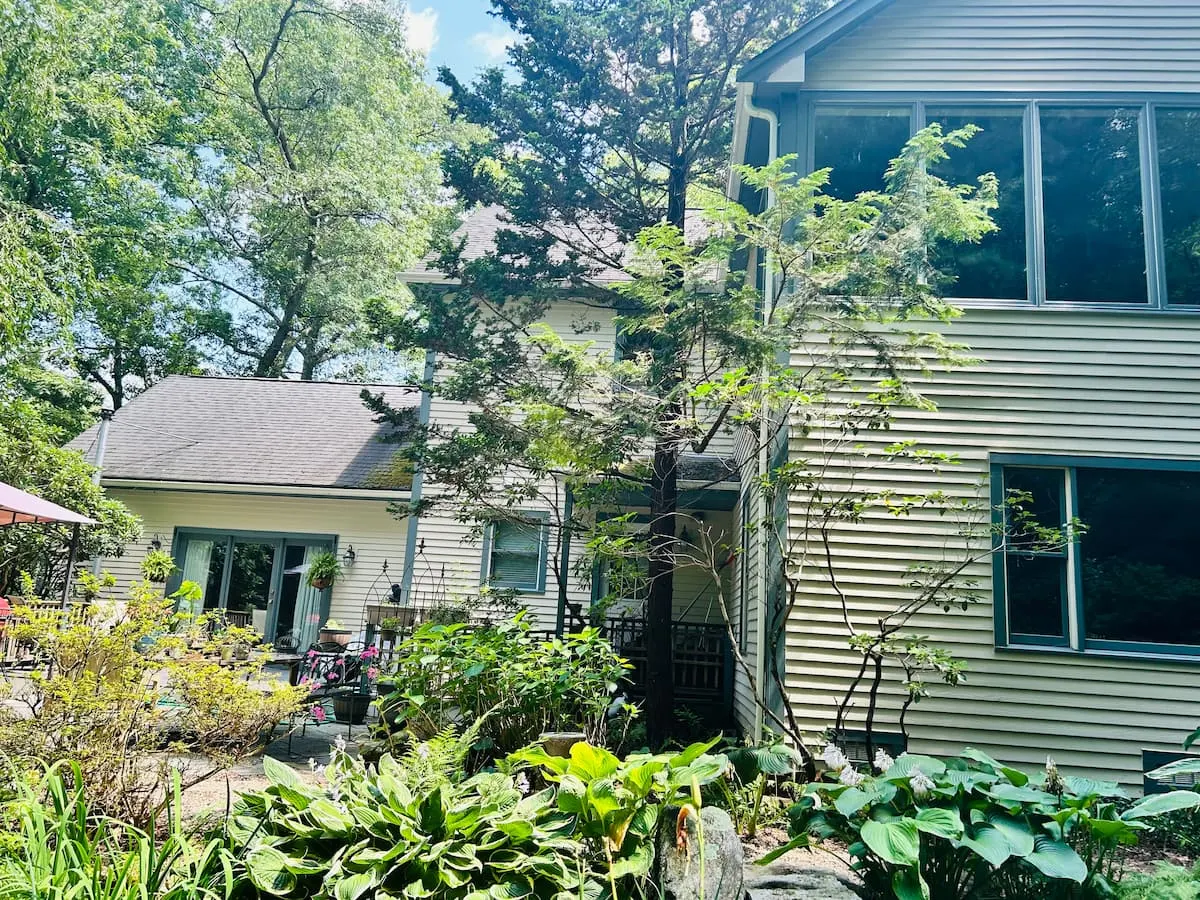
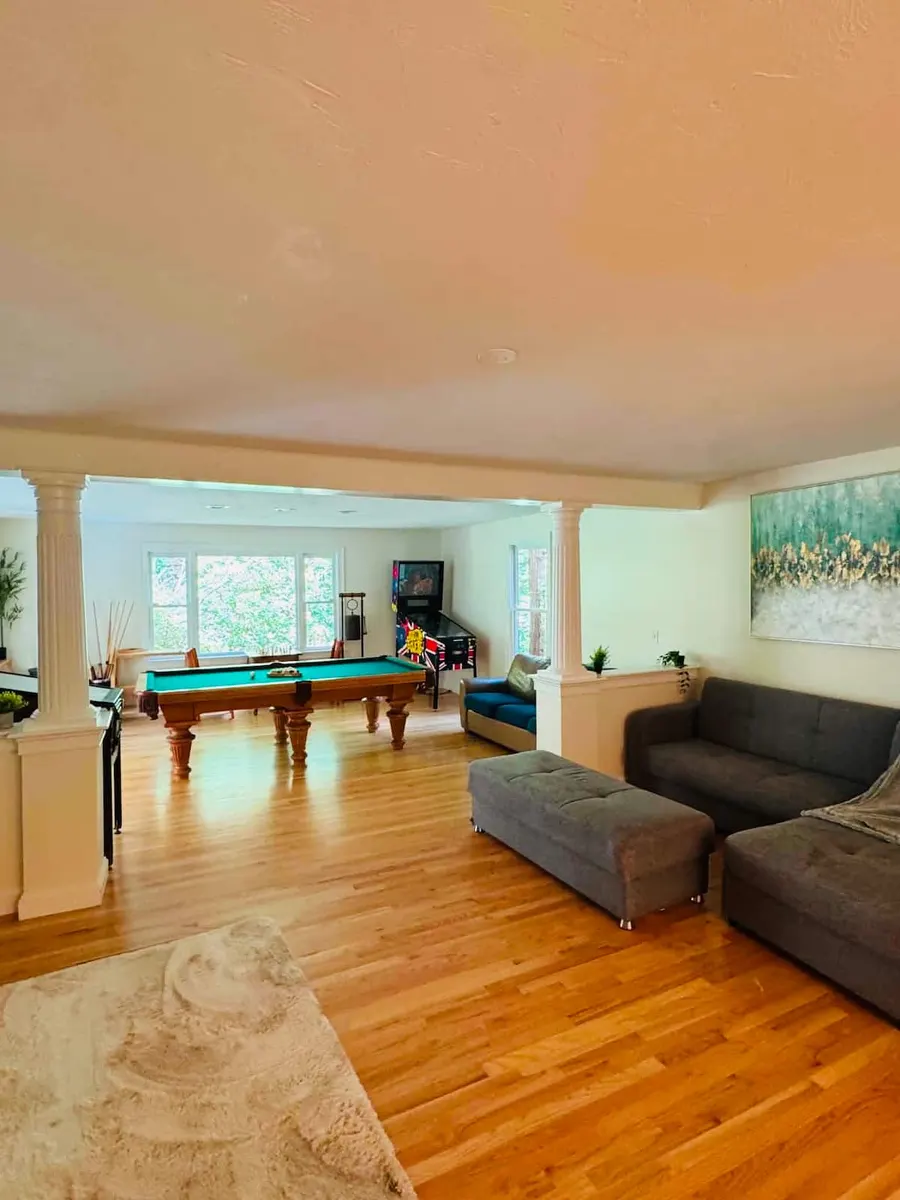
Now picture a home like the one I host in Southborough: four bedrooms, space for 14, a theater, a games room with pinball, a gym, a jacuzzi, a library, an acre of garden. That is a lot of things that each have to be the same as last time.
Borrow a trick from the operating room
In 2009 the New England Journal of Medicine published a study of a 19-item surgical safety checklist tested in eight hospitals in eight cities, from Toronto to Ifakara, Tanzania. After the checklist came in, the death rate among patients fell from 1.5% to 0.8%, and inpatient complications fell from 11.0% to 7.0%. It was a before-and-after study, so the authors are careful: the checklist "was associated with" those reductions.
Nobody taught those surgeons anything new. The abstract says the list was designed to improve "team communication and consistency of care". Skilled people skip ordinary steps on ordinary days, and a short list catches it.
A turnover is not surgery, thank goodness. But a team, a sequence and a clock is the same shape of problem, and the same tool fits.
Four tools that hold the standard
1. Standard routines
The Southborough house manual gives guests a short numbered routine, with an annotated photo, for every tricky device: the jacuzzi jets, the projector's three remotes, the induction cooktop. I write for the people who care for the house exactly the way I write for the people who stay in it.
So each space gets a reset routine of five to ten numbered lines. A theater routine might read: remotes back in the tray, blankets folded on the left arm, screen off, lights set for arrival. The routines add up to the turnover checklist, and the slower-moving items live in the maintenance calendar.
Two rules keep routines alive. Keep each one short enough to read while standing in the doorway. And give each line a verb and a finish state: "wipe" is a wish, "wipe until the cloth comes away clean" is a standard.
2. Photo standards
Your listing photos are the promise. A photo standard is how a team keeps it.
For every room, take one "ready" photo from the doorway, matching the angle of the listing photo where you can. Print the set or share an album. Whoever resets the room matches the photo, then sends back their own from the same spot. It takes a minute per room and it settles questions before they start: where the throw goes, which way the chairs face, how the games sit on the table. In the Southborough listing photos, the games are set out on the table. If that is the promise, that is the reset.
The return photos become a dated record of how the house looked before each stay, which is a calm thing to have if a question ever comes up later.
3. Vendor playbooks
I work with a network of cleaners, handymen, HVAC technicians and landscapers, every one of them vetted and closely supervised, and I want each of them to succeed without needing me on the phone. Each gets a one-page playbook for the home:
- What "done" looks like, with the photo standard attached
- How to get in, and how to lock up
- The house's quirks (at Southborough: a septic system, a quiet street with close neighbours, collector pinball machines)
- What to report even when it is not their job: a chipped glass, a slow drain, a bulb out, anything running low
- Who to call, and when a call beats a text
Give vendors the reason behind each request, the same way a good manual does for guests. A landscaper who knows the garden paths are part of the arrival experience edges them differently. And line up a second name for every trade before you need one.
4. Spot checks
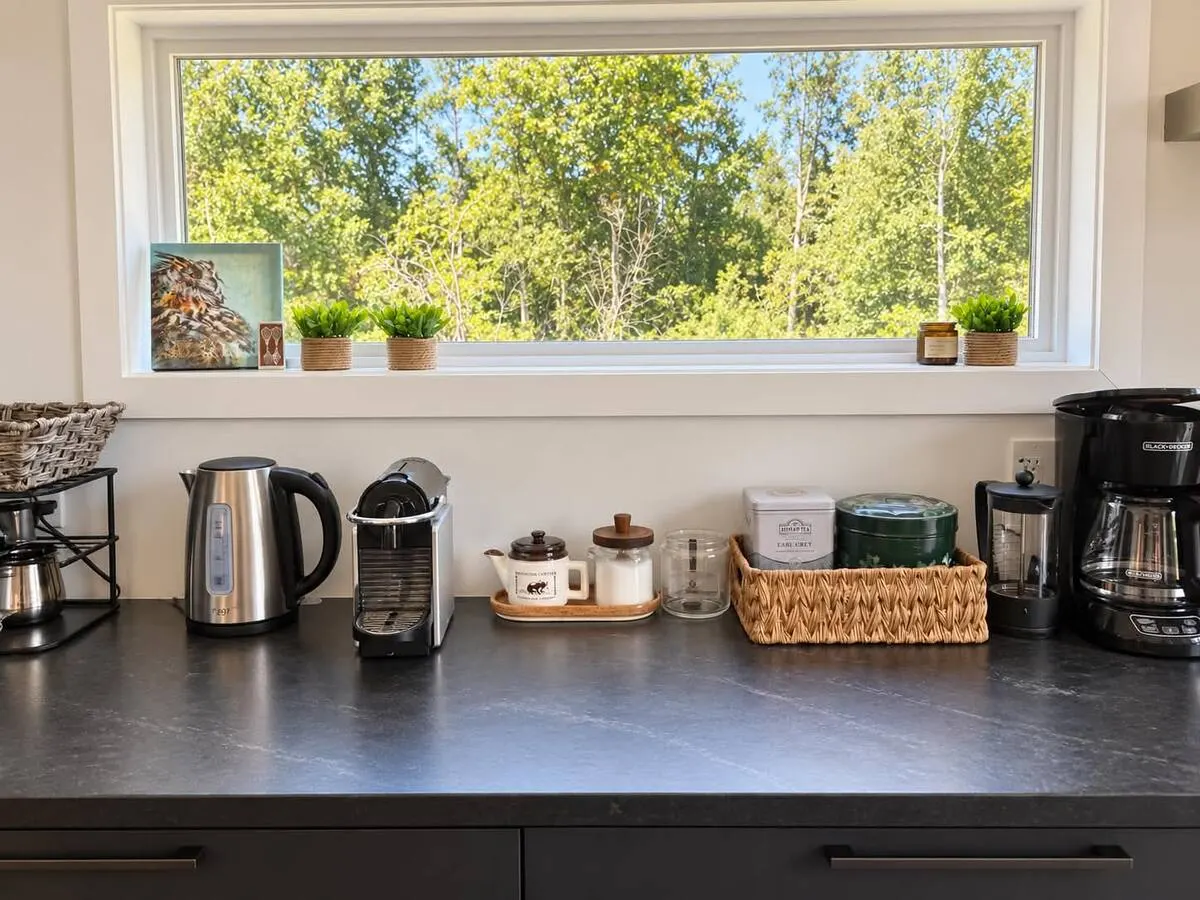
Every so often, on no fixed schedule, someone who did not do the reset walks the house as a guest would. Sit on the sofa and look at what the guest looks at. Lie on each bed and study the ceiling. Run the shower. Open the drawer under the coffee station. For our homes near Boston, Montréal and the Eastern Townships, these are audits and random surprise inspections of the results, and I walk the homes myself when I visit.
Score it simply (pass, or fix) and log it. A spot check exists to catch drift in the house. It is never about catching a person, and it helps to say so out loud. The findings go on the scorecard as a shared number.
Drift, the quiet one
Nothing dramatic ends a great run of stays. Things soften. The throw pills. Three of the twelve wine glasses pick up chips. The spice rack loses its cumin and nobody mentions it.
The cure is counting. Keep a par list for each room: if the table seats 12 and the house sleeps 14, there is a number for plates, glasses, pillows and towels, and a line on the routine that says "count to par". Replace at the first chip, not the third.
A standard is a kindness to the fiftieth guest.
Consistency is what makes improvement stick
"Same as last time" can sound like the opposite of the M in the Mood Method, "Make it better, every stay". It is the floor that pillar stands on. When a guest's suggestion leads to a change, the change is not finished until it is written into the routine, photographed into the standard and added to the vendor's page. Otherwise the improvement lasts about three turnovers and quietly disappears.
So the loop runs like this: a guest notices something, we fix it, and the fix becomes part of "same as last time". Stay 50 should be every bit as reliable as stay 1, and a little better for the 49 stays in between.
Sources
- Airbnb Help Center: Guest favorites and highlights
- Airbnb Help Center: Ground rules for home hosts
- Airbnb Newsroom: Airbnb Global Quality Report, February 2025
- Haynes AB, Weiser TG, Berry WR, et al., "A surgical safety checklist to reduce morbidity and mortality in a global population," New England Journal of Medicine, 2009;360(5):491-9 (PubMed abstract)

Want this done for your home?
Everything in this article is part of what Jillian does for the homes she hosts. Tell her about yours and she will tell you, honestly, what she would do with it.