Hospitality
The Mood Method, Explained: Four Habits Behind a Great Stay
By Jillian Mood7 min read
I hosted my first Airbnb about ten years ago. In the years since, I built a career in HR and public relations and slept in a great many rentals and hotels around the world. Some were wonderful. Some taught me exactly what I never want to do to a guest. I still travel constantly, and I look after our homes 365 days a year from wherever I am, so the lessons keep arriving. The Mood Method™ is what I kept from all of it, sorted into four habits and practised on our own homes before I ever wrote it down.
It spells MOOD, and it runs as a loop
Yes, it is my last name. It is also a handy way to remember four things:
- M: Make it better, every stay. Kaizen, the Japanese practice of continuous improvement.
- O: Omotenashi. Wholehearted hospitality that anticipates what a guest needs before they ask.
- O: On-the-hour answers. Fast, cheerful replies before, during and after the stay.
- D: Details and delight. Spotless, maintained on a schedule, with something fun that could only happen in that house.
The part people miss is the loop. A stay ends, we ask how it could have been better, the answer changes something in the house, and the next guest walks into a slightly better home without knowing why. Then they tell us something too. Each pillar is useful alone. Together they compound.
M: Make it better, every stay
Kaizen is an old word with a simple meaning. The Kaizen Institute, founded by Masaaki Imai, who brought the idea to Western business in 1986, puts it this way: kaizen "means improvement," and it means "continuing improvement in personal life, home life, social life, and working life." Small steps, taken constantly, by everyone involved.
In a rental, that becomes three practices:
- Ask every guest how we could have done better. Every guest, including the ones who just gave us five stars. They are often the most observant people we host, and the most generous with ideas.
- Write it down. One log, every suggestion, no matter how small.
- Act on every reasonable thing before the next arrival, or as close to it as the fix allows.
Here is what we have noticed, and I offer it as our own observation and not as a statistic: the better we get at this, the fewer suggestions guests have left to make. I walk through the whole practice, including how to decide what counts as "reasonable," in kaizen for hosts.
O: Omotenashi
The Japan National Tourism Organization describes omotenashi as wholeheartedly looking after guests, with "an implicit understanding that there are no menial tasks if the result ensures a great experience for a guest." I love that line. It gives dignity to the unglamorous half of hosting.
What it looks like in practice:
- Learn why they are coming. A reunion, a birthday and a quiet reset are three different trips to the same house. Our Southborough listing says it plainly: "share any special requests in advance and we'll do everything we can to bring them to life."
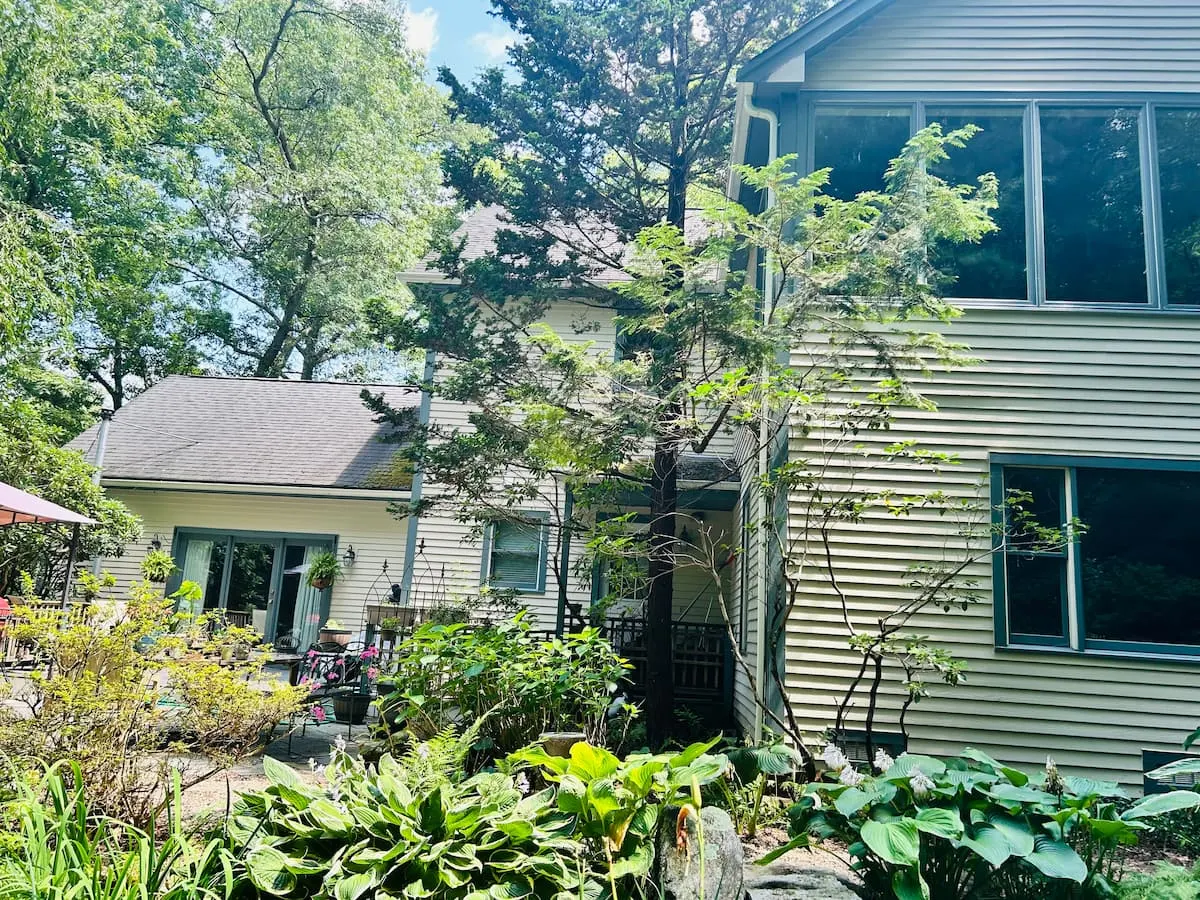
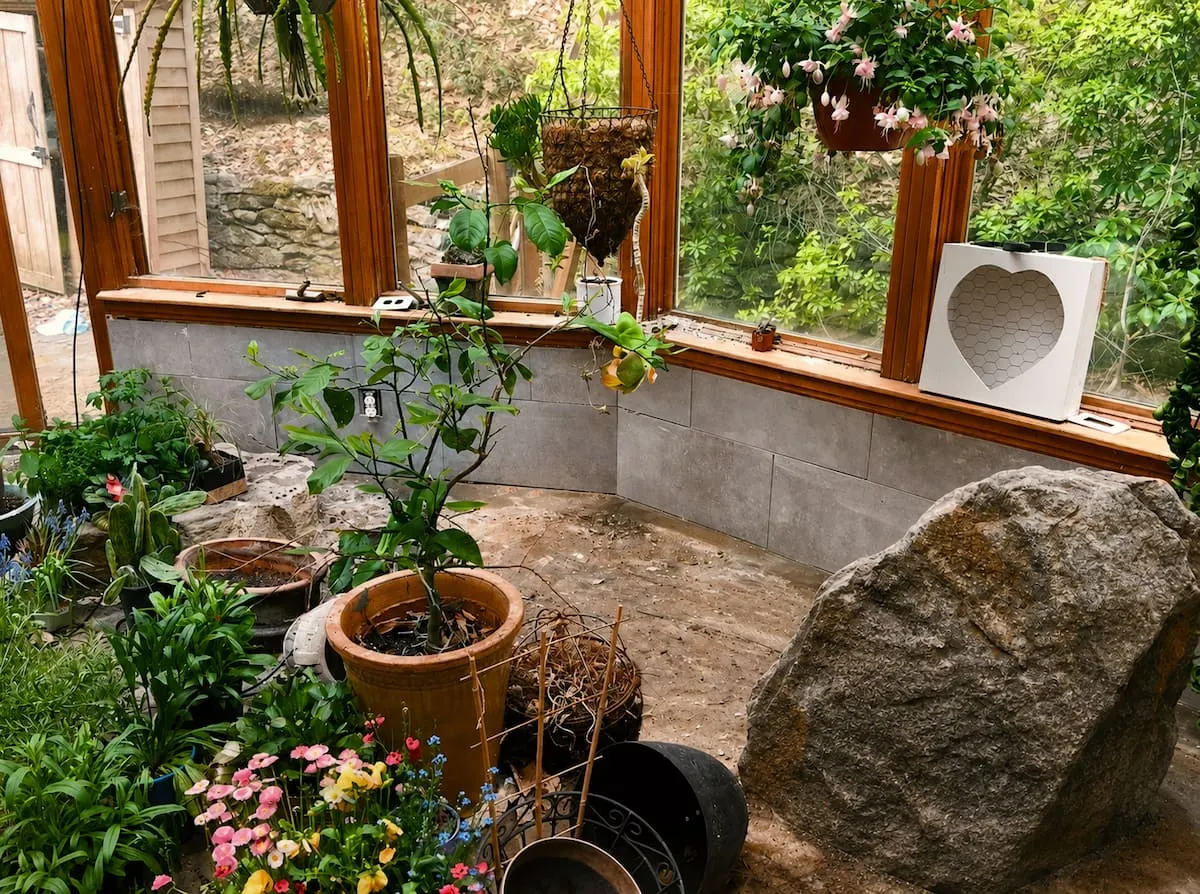
- Set the house for that trip. The bunk room matters to the family with four cousins. The glass conservatory, which doubles as a meditation room, matters to the retreat.
- Leave nothing to figure out. Our house manual for Southborough runs 19 pages, and every tricky device gets a short numbered routine with an annotated photo. Rules come with their reason, so they read as care. (The home is on a septic system, and saying so turns a bathroom rule into plain common sense.)
There is more on the philosophy, and an honest note on borrowing from another culture with respect, in omotenashi for short-term rentals.
O: On-the-hour answers
My Airbnb profile shows a 100% response rate and "responds within an hour." That is a habit, and behind the habit is a system: notifications that reach a human, saved answers I rewrite so they still sound like me, and a backup for the hours when I am away.
Speed has a practical side. Airbnb's Help Center says response rate counts toward Superhost status and can affect search placement. It has an emotional side too. In a 2023 YouGov survey of 2,024 US guests, commissioned by the guidebook company Touch Stay, 69% said communications most influenced how likely they were to leave a positive review. It is a vendor-commissioned survey, so treat it as a signal. It matches everything I have seen.
The rule inside the rule: warm first, efficient second. A fast reply that sounds annoyed is worse than a slower one that sounds glad to hear from you. I break the system down in the one-hour rule.
D: Details and delight
This pillar has two halves, and you need both.
Details is the discipline. A reset after every stay that someone actually scores. Upkeep on a calendar (monthly, quarterly, annual), so the furnace gets attention in September and not on the coldest night of a guest's trip. I would rather maintain on a schedule than on a complaint. The hands doing that work are chosen with care: we vet every housekeeper and tradesperson, supervise closely, run audits and random surprise inspections, and write a checklist for each home that guest feedback keeps improving.
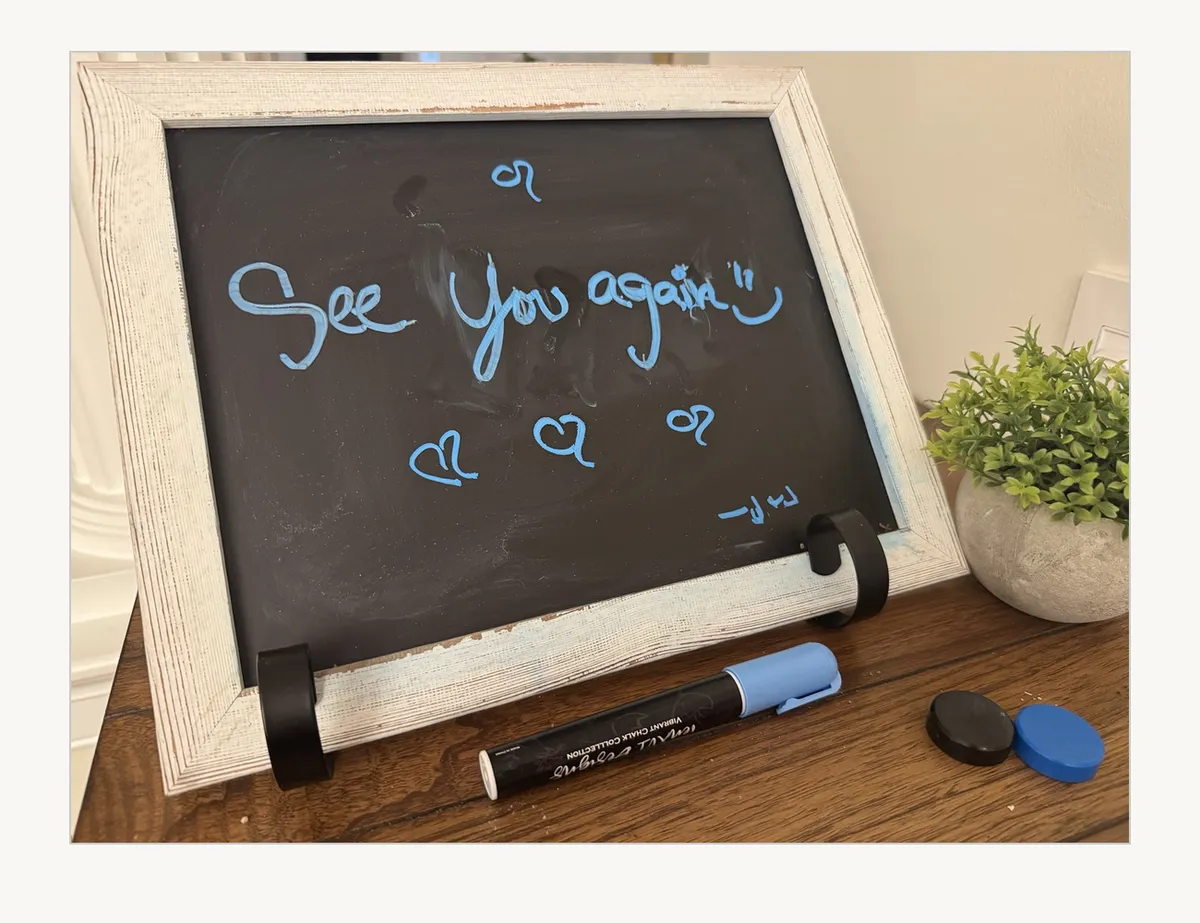
Delight is the play. Something that could only happen in your house. In Southborough, every bedroom has a white-noise machine that doubles as a wireless phone charger. The projector runs in Roku guest mode, so everyone's streaming logins are wiped at checkout without anyone asking. By the door, a chalkboard says "See you again." None of that was expensive. All of it gets noticed.
The Mood Promise
When Airbnb launched Guest Favorites in November 2023, it explained why in one sentence: "guests have told us that with so much variety, it can be hard to know what they're going to get." The Mood Promise is our answer to that sentence. Every Mood Method host makes the same five pledges to every guest:
- The home matches the listing.
- It is clean, and everything works.
- No surprise charges, and no checkout chore list.
- A real person answers within the hour.
- If something goes wrong, we fix it fast and make it right.
Our own checkout page opens with "No complicated chore list, just a few small steps before you head home." Bag the trash, leave the towels, no need to strip the beds. The rest is our job.
Each pledge maps to a complaint guests have been making about this industry for years. I went and found the sources, with dates, in the top guest complaints about short-term rentals.
Who it is for
Hosts who already do this work and want it to feel less like improvising and more like a practice. Owners about to list a home who would rather start with good habits than retrofit them. And people who love hospitality and are curious about co-hosting as real work.
You do not need a mansion. The method cares about attention far more than square footage.
How we teach it
We are opening the method to other hosts, beginning with a founding cohort. It is a small-group seminar, live online, with in-person sessions at Villa Foresta in Québec's Eastern Townships, where you can see the method at work in a real home. It is taught in English, and dates will be announced to the founding list first.
Hosts who put the method to work and meet the standard can become Mood Method certified. To be clear about what that is: the certification is Mood en Scène's own standard. It is independent of Airbnb and of every other platform. As our network grows, we plan to invite certified hosts to co-host alongside us.
A word about results, because you deserve a straight one. Our Southborough home is an Airbnb Guest Favorite, rated 4.95 from 20 reviews as of September 2026. I cannot hand you a badge, and no honest teacher would claim to. What I can do is show you everything we do, why we do it, and how to make it yours. The rest is practice, which happens to be the first pillar.
If that sounds like your kind of work, come and meet the Mood Method.
Sources
- Kaizen Institute, "What is KAIZEN": https://kaizen.com/what-is-kaizen/
- Japan National Tourism Organization, "Omotenashi": https://www.japan.travel/en/au/experience/culture/omotenashi/
- Airbnb Help Center, response rate and response time: https://www.airbnb.com/help/article/430
- Short Term Rentalz, Touch Stay and YouGov guest communication study (2023): https://shorttermrentalz.com/news/touch-stay-guest-communication-study/
- Airbnb Newsroom, 2023 Winter Release and Guest Favorites (November 8, 2023): https://news.airbnb.com/airbnb-2023-winter-release/

Want this done for your home?
Everything in this article is part of what Jillian does for the homes she hosts. Tell her about yours and she will tell you, honestly, what she would do with it.